Guide · Travel
Sumba travel guide: everything you need to plan a trip
Where Sumba is, when to go, how to get there, how long to stay, which base to choose and what it costs, with links to every detailed guide.
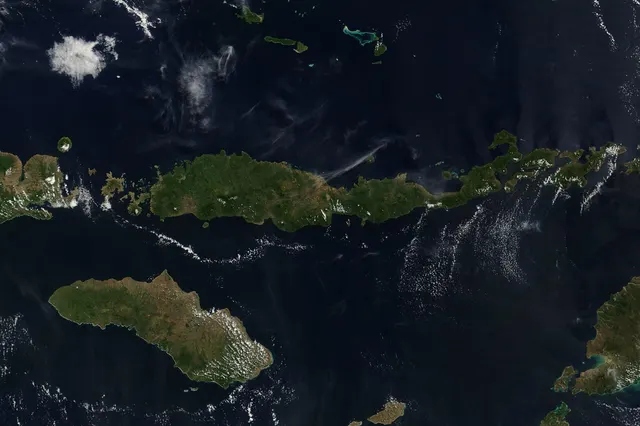
Sumba is an Indonesian island about 450 km east of Bali, roughly twice Bali's size, reached by a domestic flight of 1 to 1.5 hours to Tambolaka (west) or Waingapu (east). Go in the dry season, roughly May to October, allow about 7 days to cross the island one way with a car and local driver, and bring cash, mosquito protection and patience: the reward is savanna hills, coral lagoons and living megalithic villages with very few other visitors.
- Where
- East Nusa Tenggara, Indonesia, about 450 km east of Bali
- Size
- About 11,000 km², roughly twice the size of Bali
- Airports
- Tambolaka (TMC) in the west, Waingapu (WGP) in the east
- Best time
- Dry season, roughly May-October
- Ideal length
- About 7 days, flying into one airport and out of the other
- Getting around
- Car with local driver, roughly IDR 600,000-1,000,000 a day (2025-2026)
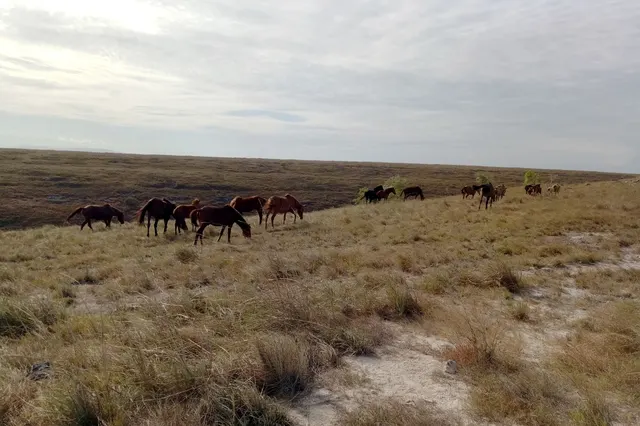
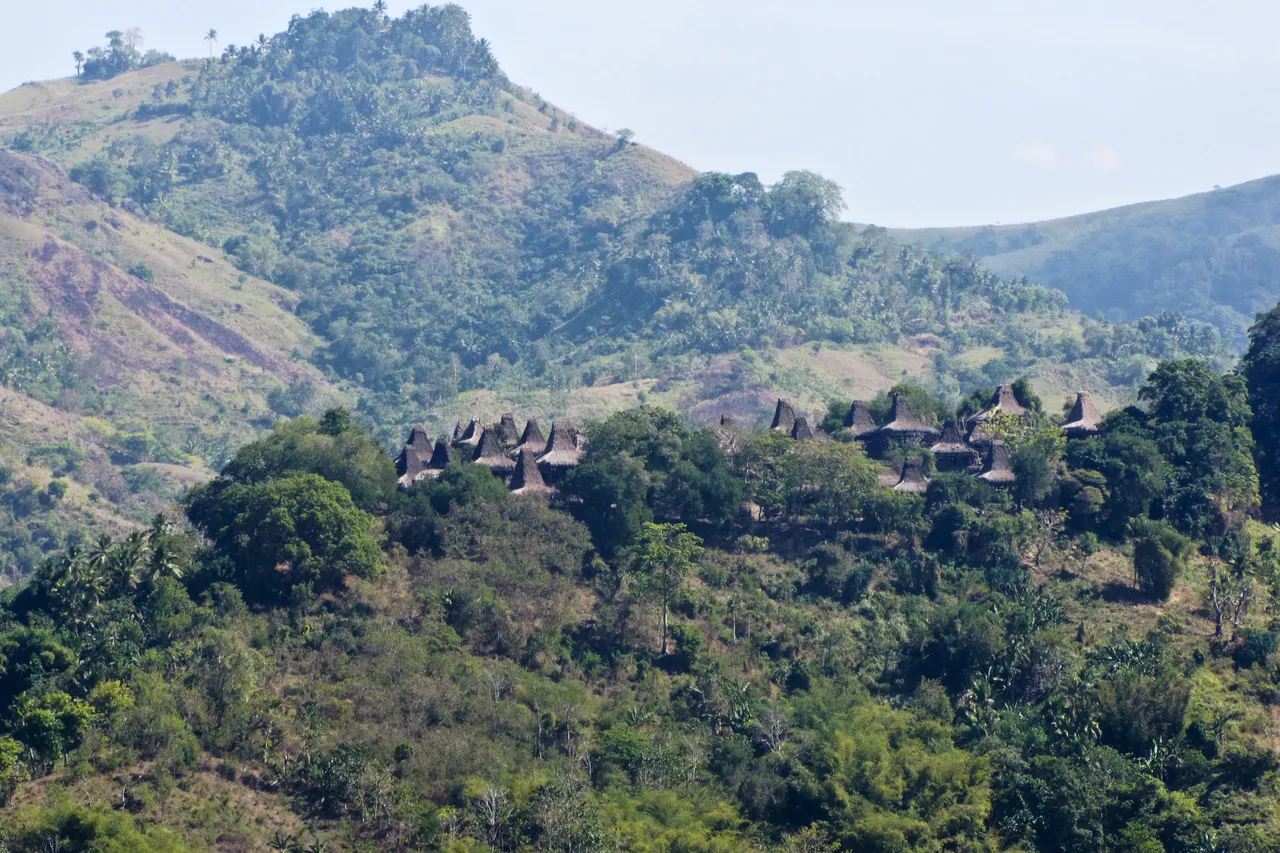
The first thing Sumba gives you is space. Hills of yellow grass roll to the horizon, a boy rides a small horse bareback along the road, and above the cashew trees rise the tall thatched roofs of a clan village, with stone tombs standing between the houses. An hour earlier you were in the traffic of Bali. Here the road is yours.
The short version: Sumba is a large, quiet island in the province of East Nusa Tenggara. You fly in from Bali, travel with a car and a local driver, sleep in three or four bases and cross the island once, from one airport to the other. This page is the overview. Every section links to a detailed guide, so use it as your table of contents.
Where Sumba is, and why go
Sumba lies in the Lesser Sunda Islands, south of Flores and about 450 km east of Bali in a straight line. It covers roughly 11,000 km², about twice the size of Bali, and had an estimated 852,832 inhabitants in mid-2025, a fraction of Bali's population. It is not volcanic: the landscape is limestone, savanna and a few patches of forest, with Mount Wanggameti (1,225 m) as its highest point. The full picture, including the frequent mix-up with Sumbawa, is in where is Sumba? and in our facts and figures.
Sumba this week, every Sunday
The week's news, one place worth the trip and practical travel notes. Free, and you get our 7-day Sumba guide (PDF) on signing up.
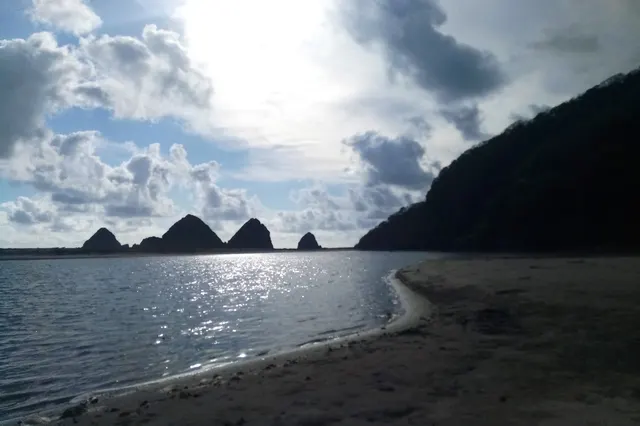
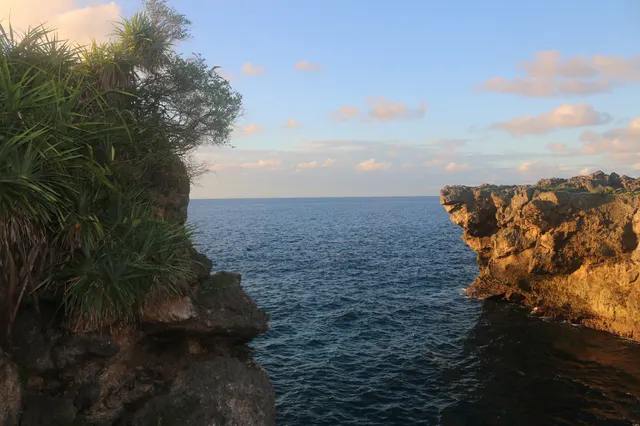
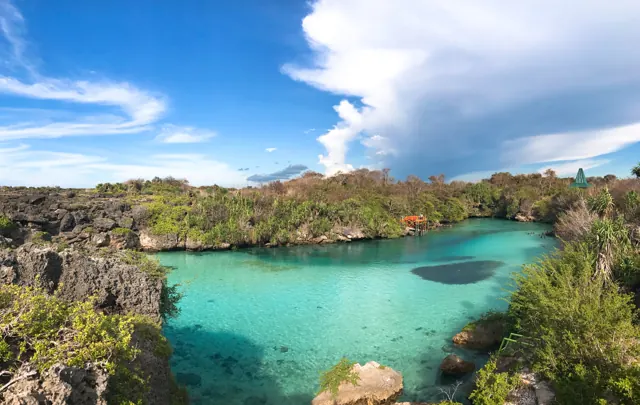
One email a week. No spam. Unsubscribe in one click. Sumba this weekPeople come for three things. The first is landscape: golden hills such as Wairinding, the clear saltwater of Weekuri Lagoon, waterfalls and long empty beaches. The second is culture: villages of high-roofed houses and megalithic tombs where many families still honour Marapu, the ancestral religion, plus hand-woven ikat and the Pasola, a ritual battle on horseback. The third is quiet: East Sumba counted 41,524 visitors in the whole of 2025. If you are unsure whether that trade of comfort for solitude suits you, read is Sumba worth visiting?
When to go
The dry season, roughly May to October, is the best time for most trips: clear skies, easier roads and calmer swimming, with June to August the classic window and the busiest for rooms and cars. The rains come roughly from December to March, when hills turn green, waterfalls run full and some dirt roads become difficult. February and March bring the Pasola in the west, on dates set by the Rato elders. In Waingapu, the driest corner, daytime highs stay around 31-33 C all year. See the month-by-month guide, the rainy season guide, the Pasola 2027 dates and the events calendar.
How to get there
Sumba has no international flights. Almost everyone connects in Bali. As of November 2026, Batik Air flies Bali to Tambolaka (TMC) daily in about 1 hour 15 minutes, with Nam Air and Sriwijaya Air adding several flights a week, and TransNusa flies Bali to Waingapu (WGP) non-stop four times a week (Tuesday, Wednesday, Friday and Saturday). There are also flights from Kupang, Lombok, Surabaya and Labuan Bajo, and ferries for travellers with time.
- Current routes: the flights page and how to get to Sumba from Bali.
- The two airports: Tambolaka Airport (TMC) and Waingapu Airport (WGP).
- Other starting points: Jakarta, Kupang, Labuan Bajo, Surabaya, Australia, Europe and Singapore.
- By sea: ferries to Sumba. Entry rules: the Indonesia visa guide.
The single most useful trick is to fly into one airport and out of the other. The two are about 170 km and 4-5 hours apart by road, and a one-way route means you never drive that road twice.
How long to stay
Seven days is the comfortable length for a west-to-east crossing. Five days works at a fast pace, three days is enough for one side of the island only, and ten days lets you add the south coast. The reasoning is in how many days do you need in Sumba?, and the day-by-day plans are in the 5, 7 and 10-day itineraries. Combining islands? See Sumba and Bali and Sumba and Flores.
Getting around
Distances look short on the map and are not. Most visitors hire a car with a local driver, at roughly IDR 600,000-1,000,000 a day in 2025-2026 (about USD 33-55), more in high season or with a guide. Scooters suit experienced riders with an International Driving Permit, buses link only the main towns, and there are no ride-hailing apps. Avoid driving after dark and fill the tank whenever you pass a petrol station. Read getting around Sumba and hiring a car with driver.
Where to base yourself
Sumba has few places to sleep: about 60 properties and roughly 1,460 rooms on the whole island in 2024, according to the provincial statistics office. Choose bases by area, not by hotel:
- Tambolaka and Kodi (north-west): the main airport, Weekuri, Mandorak and the villages of Kodi.
- Waikabubak, Wanokaka and Lamboya (west and south-west): hilltop villages, waterfalls, surf beaches and the March Pasola fields.
- Waingapu (east): the savanna, the weaving villages and the second airport.
- The east and south coasts: remote beaches and royal villages, for travellers with extra days.
The full comparison is in where to stay in Sumba: the best areas, and the neutral list of properties is in where to stay in Sumba.
What to see in the west
The west is greener, more densely populated and richer in traditional villages. Start with Weekuri Lagoon and Mandorak beach, about an hour from Tambolaka, then the Kodi coast: Ratenggaro, Pero and Bawana. Around Waikabubak, visit Tarung and Praijing, the tiered Lapopu waterfall and the south-coast beaches of Wanokaka and Marosi. Regional overviews: Southwest Sumba, West Sumba and Central Sumba.
What to see in the east
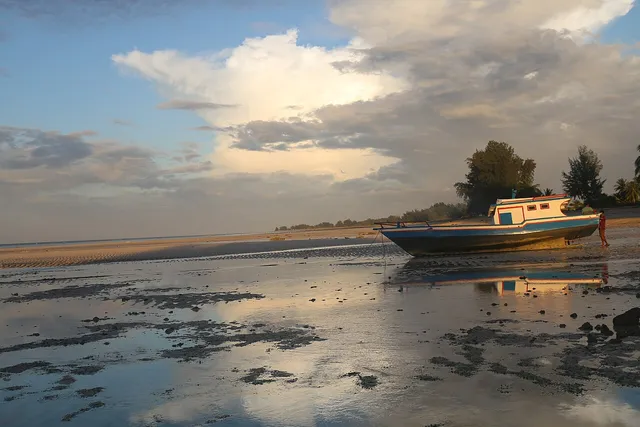
The east is dry, open and empty. From Waingapu, the classics are sunset at Wairinding hill, the mangroves of Walakiri at low tide, the rock pools of Tanggedu waterfall and the savanna beach of Puru Kambera. For culture, see the royal villages of Prailiu and Rende. With more time, drive to Tarimbang on the south coast. Overview: East Sumba.
By theme: beaches, lagoons and waterfalls, surfing, hiking, diving and snorkelling, sunsets and sunrises, markets and Sumbanese food. The trip planner has the map.
What it costs
For two people travelling together for 7 days, our cost guide estimates roughly IDR 8.5-12.5 million in total on a tight budget (about USD 470-690), roughly IDR 15-29 million mid-range with a car and driver, and from around IDR 45 million in high-end resorts, based on prices reported in 2025-2026. Flights from Bali, the car and the room are the big items. Food and entrance fees are small, but they are paid in cash, and ATMs exist only in Tambolaka, Waikabubak and Waingapu. Details: Sumba travel costs, Sumba on a budget and luxury travel.
Culture and etiquette
The villages you visit are homes, not museums. Ceremonies, funerals and daily chores go on around you. The rules are simple:
- Ask before photographing people, entering a house or flying a drone.
- Sign the guest book and leave a contribution, commonly IDR 20,000-50,000 per person.
- Never sit on, climb or touch the stone tombs or ritual objects.
- Dress modestly away from the beach: shoulders and knees covered.
- At the Pasola and at funerals, follow the elders and stay well back from the horses.
A few words of Indonesian open doors: see the phrasebook. For background, read a short history of Sumba, weddings, funerals and ceremonies and the Sandalwood pony.
Safety and health
Sumba is generally safe and welcoming, with little serious crime against visitors. The real risks are practical. The US CDC lists all of East Nusa Tenggara as a malaria risk area, so see a travel clinic before you fly and avoid bites from dusk to dawn. Many beaches have strong currents and no lifeguards. Hospitals offer basic care, so buy insurance that covers evacuation to Bali. Do not drink tap water, and expect the phone signal to vanish in the hills (Telkomsel has the widest coverage). Full advice is in is Sumba safe?, what to bring is in the Sumba packing list, and anything affecting travel right now is on the travel status page.
A week in Sumba at a glance
To see how the pieces fit, here is the classic seven-day crossing in outline. The full version, with distances for each leg, is in the itinerary guide.
- Days 1-2, the north-west: land at Tambolaka, swim at Weekuri Lagoon, watch the sunset at Mandorak and spend a day among the villages and beaches of Kodi.
- Days 3-4, around Waikabubak: Tarung and Praijing, Lapopu waterfall and the south coast at Wanokaka or Marosi, then the drive east through Central Sumba, timed to reach Wairinding for sunset.
- Days 5-6, the east: Tanggedu waterfall and Puru Kambera one day, the royal village of Rende and Walakiri at low tide the next.
- Day 7: Prailiu and Bukit Persaudaraan, then the flight out of Waingapu.
Planning checklist
- Pick the season, and check the Pasola dates if you travel in February or March.
- Book flights into one airport and out of the other, on days when both routes operate.
- Reserve a car and driver, and rooms in two or three bases, early for June to August.
- See a travel clinic 4-6 weeks ahead and buy insurance with evacuation cover.
- Buy a Telkomsel SIM in Bali, download offline maps and withdraw cash in small notes.
- Keep one spare day before any international connection.
Who is travelling?
We have specific guides for families with children, honeymooners, digital nomads and people who want to volunteer responsibly, and comparisons with Bali and Flores and with Lombok, Komodo and Raja Ampat.
Plan the flights first, then the driver, then the beds. Leave a spare day. And when a villager invites you to sit down and share betel nut, say yes: that is usually the moment people remember.
Frequently asked questions
Is Sumba worth visiting?
Yes, if you want open landscapes, traditional villages and empty beaches and accept simple infrastructure, long drives and few hotels. Travellers who want nightlife, shopping or easy logistics will be happier in Bali.
How do you get to Sumba?
By domestic flight, usually from Bali: Batik Air flies daily to Tambolaka in about 1 hour 15 minutes, and TransNusa flies non-stop to Waingapu four times a week (November 2026). There are no international flights.
How many days do you need in Sumba?
About 7 days for a west-to-east crossing. Five days works at a fast pace, three days covers one side of the island, and ten days adds the south coast.
What is the best month to visit Sumba?
June to August are the sunniest and driest months. The dry season as a whole runs roughly from May to October, and February and March are the months of the Pasola in the west.
Is Sumba safe for tourists?
Generally yes. The main risks are malaria, strong sea currents, night driving and basic medical care, so bring mosquito protection and insurance with evacuation cover.
Do I need a guide in Sumba?
A guide is not compulsory, but a local driver is the practical choice: signs are few, villages are reached by unmarked turns and he can introduce you politely in a village.
Places in this guide
- Tambolaka Airport (TMC) · Southwest Sumba · Open in maps
- Waikabubak · West Sumba · Open in maps
- Waingapu · East Sumba · Open in maps
- A guide to Sumba, Indonesia, Lonely Planet, 10 Apr 2026
- Sumba (island profile, Wikipedia text via Wikiwand), accessed 14 Nov 2026
- Getting around Sumba: public transport, taxis, car rental, MileHacker, accessed 14 Nov 2026
- How to Get to Sumba: Flights, Ferries, Airports and Best Routes, Backindo, 7 Oct 2025 (updated 6 Jul 2026)
- Malaria in Indonesia: What Travelers Need to Know, Backindo, 1 Jan 2026
Spotted an error? Write to info@ecobeachcity.com.
Sumba this week, every Sunday
The week's news, one place worth the trip and practical travel notes. Free, and you get our 7-day Sumba guide (PDF) on signing up.
One email a week. No spam. Unsubscribe in one click. Sumba this week