Culture
Marapu, ikat and the traditional villages: a respectful guide to Sumba's culture
Tall thatched roofs, stone tombs still in use and cloth that takes hundreds of hours to weave.
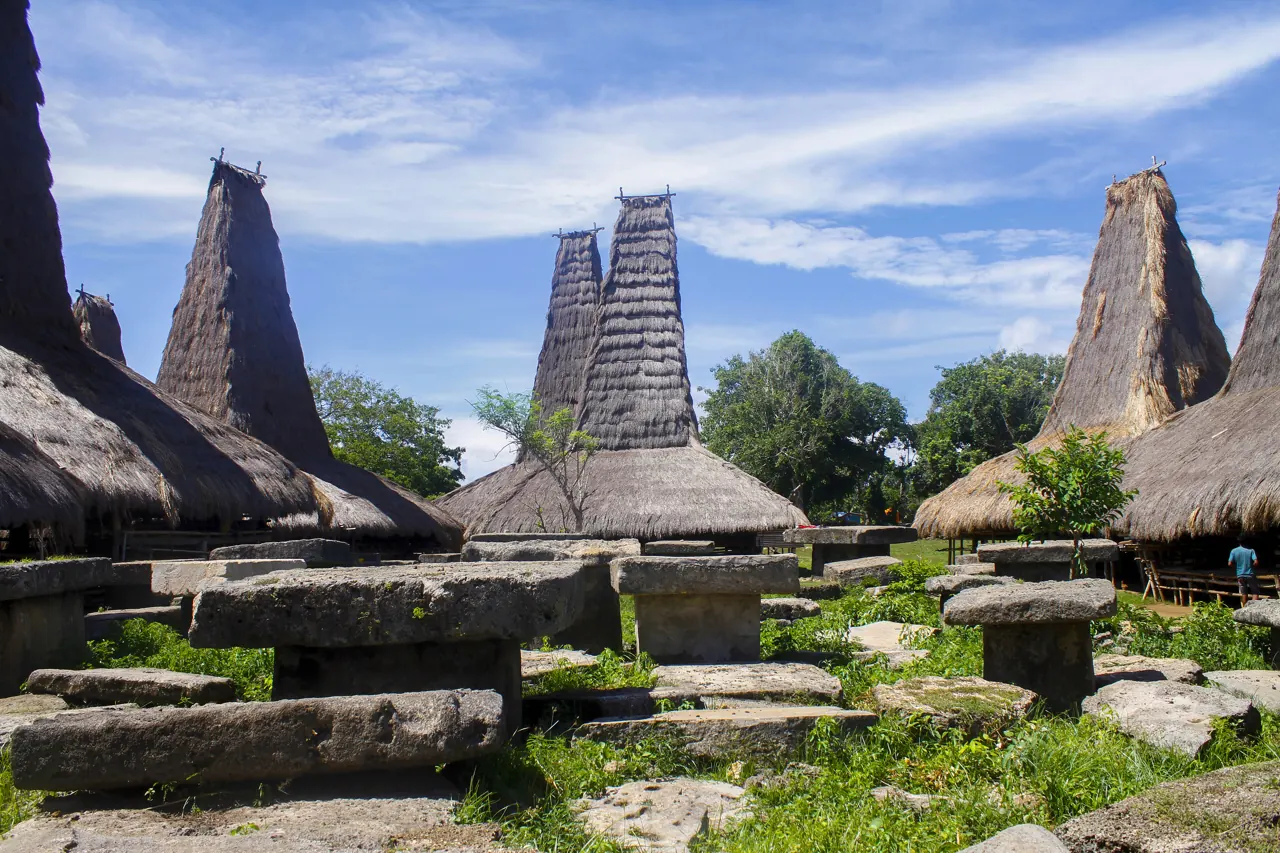
Sumba is one of the few places in Indonesia where an ancestral religion is still part of daily life. Its name is Marapu.
Marapu
In Marapu, the ancestors stay present in the world of the living and must be honoured with offerings and ceremonies. Rocks, trees and springs can be home to spirits. Marapu guides planting, marriage and the settling of disputes. Estimates of how many Sumbanese follow it vary, from about a quarter to more than a third, strongest in the traditional villages of the west and centre.
The villages
- Praijing (West Sumba): stone tombs and houses with tall peaked roofs (uma mbatangu).
- Waitabar (West Sumba): a hilltop village with tombs and homestays.
- Tarung (near Waikabubak): a large village with dozens of megalithic tombs and an active Marapu community.
- Ratenggaro (Southwest Sumba): very tall roofs and tombs facing the ocean. Popular, so go early.
Ikat
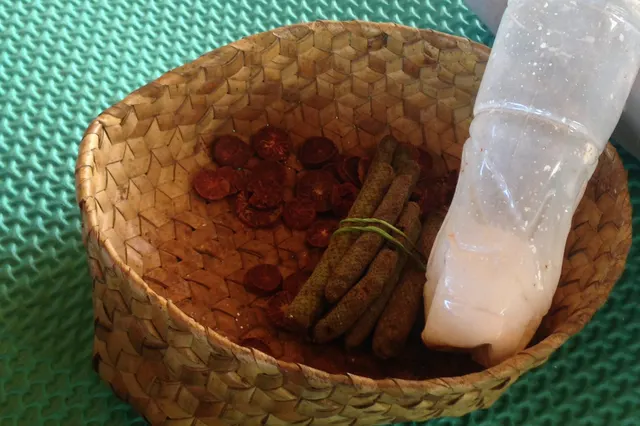
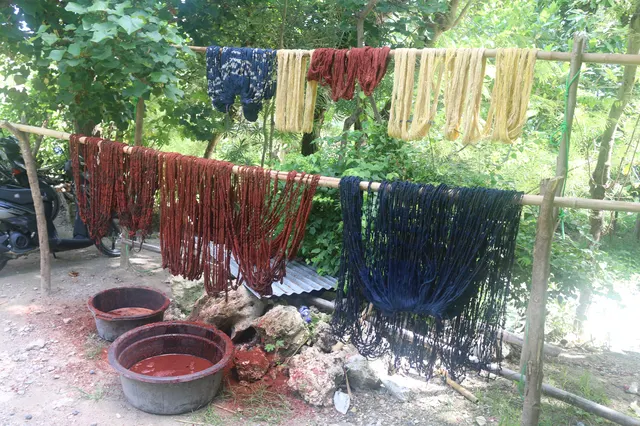
Sumba's ikat is cloth made by tying and dyeing threads before weaving them. Traditional dyes come from indigo, morinda root (red) and turmeric (yellow). Women weave on backstrap looms, and a good piece can take 200 to 400 hours. East Sumba is known for darker, denser patterns. Fine pieces are used in ceremonies, given at weddings and buried with the dead.
How to visit well
- These are homes, not museums. Ask before entering and before taking photos.
- Many villages ask for a small contribution or entry fee. Pay it gladly.
- Buy ikat directly from the weavers when you can. It is the fairest way to keep the craft alive.
- A local guide helps with language and custom, and can explain what you are looking at.
Spotted an error? Write to info@ecobeachcity.com.
Low Tide, every Sunday
One short letter a week about living well, from an island with more horses than traffic lights. Free.
We only use your email to send the letter. Unsubscribe in one click.