Guide · Travel
Diving and snorkelling in Sumba: an honest guide to reefs and seasons
Little dive infrastructure, powerful Indian Ocean swell and a few sheltered snorkelling spots: what we could verify about Sumba underwater, and what we could not.
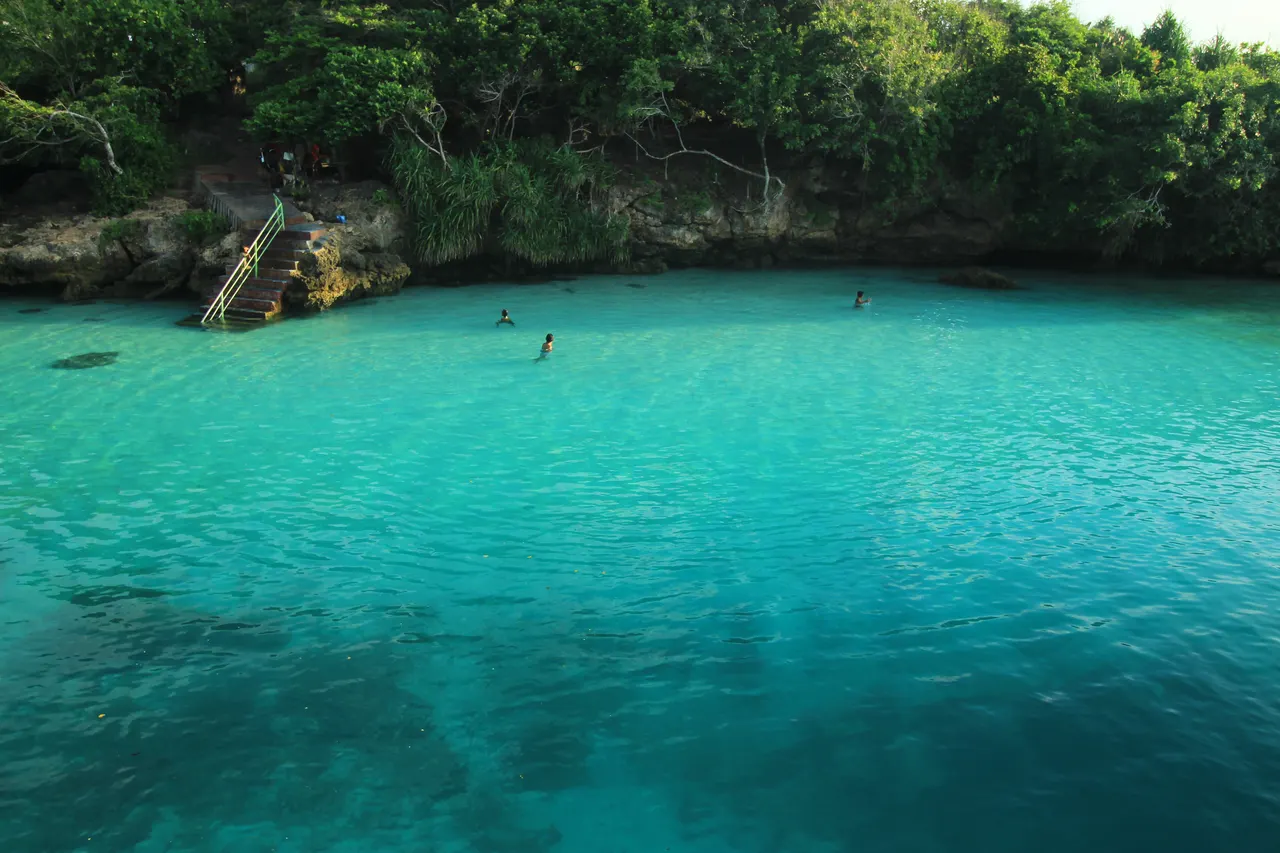
Sumba is not an established dive destination: we found no well-documented dive centres on the island and little independent reporting on its reefs, and a 2016 East Sumba dive report said there was no dive centre there. Snorkelling is easier in sheltered spots such as Weekuri Lagoon and the calm north coast around Puru Kambera, best in the dry season (roughly May-October) on calm days, since the south and west coasts take strong Indian Ocean swell. For serious scuba diving, Komodo, about 45 minutes by air from Tambolaka, is the better choice.
- Dive centres
- None well documented on the island (a 2016 report found none in East Sumba)
- Easiest snorkelling
- Weekuri Lagoon (SW); Puru Kambera, north coast (E)
- Best season
- Dry season, roughly May-October, on calm days
- Swell
- South and west coasts exposed to Indian Ocean groundswell, mainly April-October
- Marine park
- Savu Sea marine national park, about 3.35 million ha; whales year-round
- For serious diving
- Komodo, about 45 min by air from Tambolaka
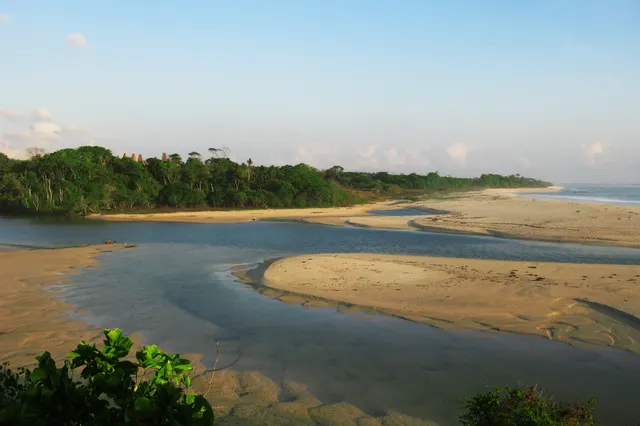
Float face down at the edge of a quiet bay on Sumba's north coast and the noise of the island disappears: a parrotfish crunching coral, the hiss of sand moving in the swell, the click of your own breathing in the snorkel. Then you lift your head, and the long Indian Ocean rollers are crashing on the reef a few hundred metres out. That contrast is the whole story of Sumba underwater: real beauty, real power, and very little set up for visitors.
The short answer: Sumba is not an established dive destination. In our research we found no well-documented dive centres operating on the island and very little independent reporting on its reefs; a 2016 dive report from East Sumba noted there was no dive centre there at all. Snorkelling is easier: sheltered spots such as Weekuri Lagoon in the south-west and the calm north coast around Puru Kambera are the usual choices, best in the dry season (roughly May-October) on calm days. The surrounding waters are part of the Savu Sea marine national park, rich in whales and dolphins. If scuba diving is the priority of your trip, Komodo, a short flight away, is the better bet. Sources on Sumba diving are thin, and we say so throughout.
What we know, and what we do not
Travel brochures sometimes describe Sumba as famous for its diving. When we looked for evidence, we found:
Sumba this week, every Sunday
The week's news, one place worth the trip and practical travel notes. Free, and you get our 7-day Sumba guide (PDF) on signing up.
One email a week. No spam. Unsubscribe in one click. Sumba this week- Little infrastructure. A dive report published in 2016 by Mongabay Indonesia and republished in 2018 by Good News From Indonesia described diving at Puru Kambera in East Sumba and stated that there was no dive centre in East Sumba; local divers owned their own tanks.
- Healthy-looking reef in places. The same diver found the density of hard and soft coral at Puru Kambera "very impressive" and colourful, and saw reef fish, blennies, a moray eel and lizardfish, but not the manta rays and dugongs reported around a nearby island, which they could not reach.
- A history of damage. Migrant fishers once used bombs in the area; the report says local fishers later began protecting the reef after seeing that blast fishing destroyed fish habitat.
- No scientific reef survey we could find that gives a recent picture of coral cover around Sumba as a whole.
So treat any claim of "world-class diving in Sumba" with caution. There may be excellent sites, but they are not documented in the way Komodo, Bali or Raja Ampat are, and you will need to organise most things yourself.
Where to snorkel
Most snorkelling in Sumba is done from the shore, at your own risk, in places where the reef or a lagoon is sheltered from the open ocean. Rough Guides and our own place guides point to:
- Weekuri Lagoon (Southwest Sumba): a saltwater lagoon behind a rock barrier, clear and calm, more of a natural pool than a reef, but the easiest swim on the island.
- Mandorak Beach (Southwest Sumba): a small cove where Rough Guides mentions snorkelling and nearby reefs; only on calm days.
- Watu Maladong (Southwest Sumba): described as good for swimming and snorkelling, with rock pools and caves; check conditions locally.
- Puru Kambera (north coast, East Sumba, 24-26 km from Waingapu): calm, shallow water and the reef described in the 2016 dive report.
Bring your own mask, snorkel and fins: do not count on finding gear to rent. A rash vest or thin wetsuit top helps against sun and coral scratches.
Seasons, swell and safety
Here geography matters more than the calendar. Sumba's south and west coasts face the open Indian Ocean. As our surfing guide explains, the most consistent south-west groundswell arrives in the dry season, roughly April to October, which is great for surfers and bad for snorkellers on those coasts. The north coast, facing the Sumba Strait and the Savu Sea, is generally more sheltered.
- Best time: the dry season (roughly May-October) brings clearer water and less rain run-off, which across Indonesia is generally considered the best time for snorkelling, but on the south and west coasts you need a calm day. In the rainy season, rivers carry sediment into the sea and visibility drops.
- Water temperature: around 27-30 °C; no wetsuit needed for warmth.
- Currents and surge: many beaches have strong currents and shore break. Ask locals before going in, never snorkel alone, and stay inside sheltered areas.
- No lifeguards and few people on most beaches. Tell someone where you are going.
- Coral and sea urchins: wear reef shoes for entries over rock, and do not stand on coral.
- Medical help is far. See our Sumba safety and health guide.
Scuba diving: if you still want to go
Certified divers who want to explore Sumba should plan carefully:
- Ask in advance whether your accommodation or a local operator can arrange tanks, a boat and a qualified guide. Some higher-end resorts organise water activities for their guests; we do not name or recommend them.
- Bring your own equipment (computer, regulator, BCD) if possible, and check the condition of any tanks.
- Check emergency arrangements: oxygen on the boat, the nearest hyperbaric chamber, and evacuation cover in your insurance.
- Do not fly too soon. Leave the usual no-fly interval after diving before your flight off the island.
Whales, dolphins and the Savu Sea
The waters around Sumba belong to the Savu Sea marine national park (Taman Nasional Perairan Laut Sawu), which covers about 3.35 million hectares. One of its two parts is the Sumba Strait area, of around 558,000 hectares. Marine mammals migrate from Australia through the Banda Sea into the Savu Sea to feed and rest, and researchers have identified the waters north of Sumba as one of two corridors with high whale activity. Whales are present in the Savu Sea year-round. There is no organised whale watching from Sumba that we could verify, but keep your eyes on the horizon on any boat trip or ferry crossing.
Sumba or Komodo for diving?
If diving is the main reason for your trip, Komodo National Park in Flores is the established choice, with many operators, liveaboards and well-known sites, though it is also much busier. Wings Air flies between Tambolaka and Labuan Bajo in about 45 minutes, a few times a week, so the two islands combine well: dive in Komodo, then come to Sumba for the land, the villages and the empty beaches. See Sumba vs Lombok, Komodo and Raja Ampat and Sumba vs Bali and Flores.
Responsible snorkelling
- Do not touch, stand on or collect coral, shells or animals.
- Use reef-friendly sun protection, ideally a rash vest rather than lots of lotion.
- Ask before entering the water near villages: some beaches and rocks are sacred or customary land, as our adat land explainer describes.
- Do not buy turtle shell, coral or shark products.
- Pay any local beach or parking fee with good grace.
We will update this page if we can verify dive operators or reef surveys on Sumba. If you run or have used one, write to us with the details.
Frequently asked questions
Is there scuba diving in Sumba?
Not in an organised way that we could verify. We found no well-documented dive centres operating on the island, and a 2016 report from East Sumba said there was no dive centre there. Some accommodation may arrange diving for guests; ask in advance and check safety arrangements.
Where is the best snorkelling in Sumba?
In sheltered spots on calm days: Weekuri Lagoon in Southwest Sumba (a calm saltwater lagoon), the coves at Mandorak and Watu Maladong when the sea is flat, and the north coast of East Sumba around Puru Kambera, where a 2016 dive report described dense, colourful coral.
When is the best time to snorkel in Sumba?
The dry season, roughly May to October, for clearer water, but on the south and west coasts this is also when Indian Ocean swell is strongest, so pick calm days and sheltered spots. In the rainy season river run-off reduces visibility.
Is it safe to swim and snorkel in Sumba?
Only with care. Many beaches have strong currents and shore break, there are no lifeguards and medical help is far away. Ask locals about conditions, never snorkel alone, wear reef shoes and stay in sheltered water.
Can you see whales from Sumba?
Sumba lies in the Savu Sea marine national park, where whales are present year-round and the waters north of Sumba are a corridor with high whale activity. We could not verify any organised whale-watching trips from Sumba.
Should I dive in Komodo instead of Sumba?
If diving is your priority, yes: Komodo has established operators and well-known sites. Wings Air links Tambolaka and Labuan Bajo in about 45 minutes a few times a week, so you can dive in Komodo and then explore Sumba on land.
Places in this guide
- Weekuri Lagoon · Southwest Sumba · Open in maps
- Mandorak Beach · Southwest Sumba · Open in maps
- Watu Maladong Beach · Southwest Sumba · Open in maps
- Puru Kambera · East Sumba · Open in maps
- Pernah dengar Puru Kambera? (dive report, originally Mongabay Indonesia, 27 Nov 2016), Good News From Indonesia, 26 Apr 2018
- Meski surga bagi paus, ada bahaya mengintai di Laut Sawu, Good News From Indonesia, 28 Aug 2020
- Sumba, Indonesia (snorkelling at Weekuri, Watu Maladong and Mandorak), Rough Guides
- Snorkeling in Indonesia (seasons and water temperature), Snorkeling Report
- Sumba travel guide, Audley Travel
Spotted an error? Write to info@ecobeachcity.com.
Sumba this week, every Sunday
The week's news, one place worth the trip and practical travel notes. Free, and you get our 7-day Sumba guide (PDF) on signing up.
One email a week. No spam. Unsubscribe in one click. Sumba this week