Guide · Travel
The best sunsets and sunrises in Sumba: 16 spots, times and seasons
From west-facing beaches in Kodi to the golden hills of the east: where to stand, which way each coast faces and what time the sun really sets.
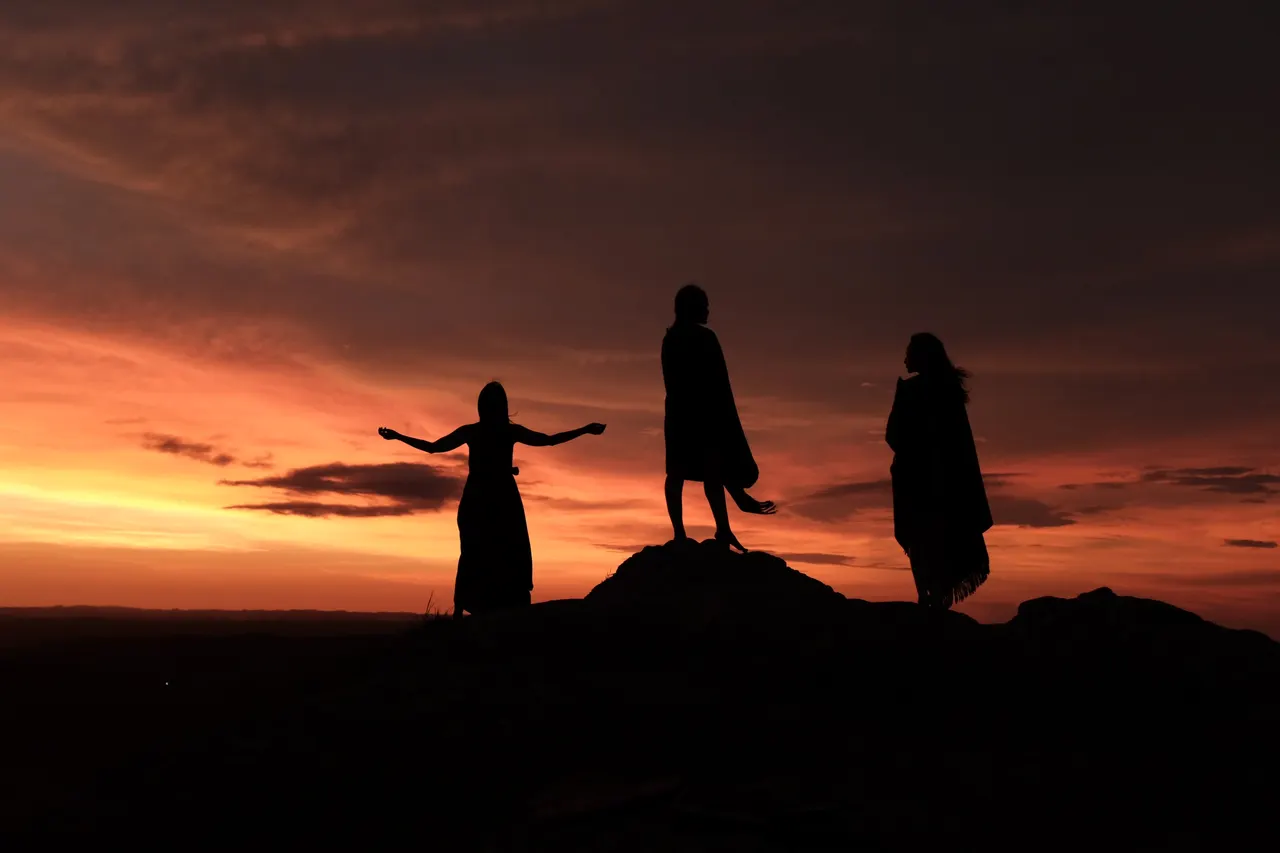
For sunsets over the sea, go to Sumba's west coast in Kodi (Pero, Mandorak) or, from May to August, the north coast around Waingapu (Walakiri, Puru Kambera); for sunrises, climb the savanna hills of East Sumba such as Tanarara and Wairinding. The sun sets between about 17:45 WITA in June and 18:30 in late January (about five minutes later in the west), and the dry season, roughly May to October, gives the clearest skies.
- Sunset range
- About 17:45 (June) to 18:30 (late January) WITA in Waingapu; about 5 min later in the west
- Sunrise range
- About 05:30 (Nov-Dec) to 06:16 (July)
- Sea sunsets all year
- West coast, Kodi: Pero, Mandorak
- North coast
- Sea sunsets mainly May-August: Walakiri, Puru Kambera
- Best sunrise
- Bukit Tanarara, about 1 h from Waingapu (arrive about 04:00)
- Best season
- Dry season, roughly May-October
The light in Sumba changes fast. For most of the day it is white and hard, bleaching the grass and flattening the hills. Then, about an hour before sunset, everything softens: the savanna turns honey and copper, the limestone cliffs glow orange, horses throw long shadows across the slopes and the sea goes from turquoise to molten gold. Twenty minutes after the sun has gone, it is almost dark. Catching that hour, and the equally beautiful one after dawn, is one of the great pleasures of travelling here, and with a little geometry and a timetable you can be in the right place every evening.
The short answer: the west coast of Sumba, in the Kodi area, faces the open Indian Ocean and gives classic sunsets over the sea. The north coast around Waingapu faces the strait towards Flores, and in the middle of the year the sun sets over the water there too. The rolling hills of East Sumba are magnificent at both ends of the day. Sunset falls between about 17:45 and 18:30 WITA depending on the month, and the dry season, roughly May to October, gives the most reliable skies.
Which way each coast faces
Sumba lies at about 9-10 degrees south of the equator, so the sun never sets due west for long. Our calculation for this latitude puts sunset at a bearing of about 294 degrees (west-north-west) in late June and about 246 degrees (west-south-west) in late December, swinging between the two through the year. That simple fact decides where the sun meets the sea:
Sumba this week, every Sunday
The week's news, one place worth the trip and practical travel notes. Free, and you get our 7-day Sumba guide (PDF) on signing up.
One email a week. No spam. Unsubscribe in one click. Sumba this week- West coast (Kodi, Southwest Sumba): faces west across open ocean. Sunsets over the sea all year round. Pero and Mandorak are the classics.
- North coast (Waingapu, Walakiri, Londa Lima, Puru Kambera): faces north over the strait. From about May to August, when the sun sets in the west-north-west, it drops towards the water; around December it sets further south, behind the land.
- South coast (Bawana, Marosi, Tarimbang): faces the Indian Ocean to the south. Here it is the other way round: the sun sets over the sea mainly from about October to March, and over the headlands in mid-year, when the late light on the cliffs is often the real show.
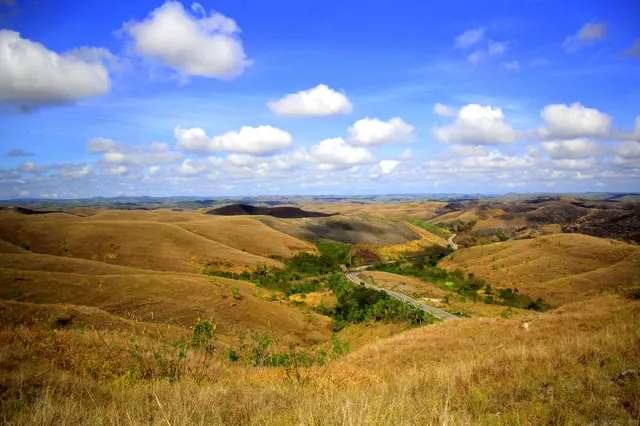
- Inland hills (Wairinding, Tanarara, Bukit Persaudaraan, Lendongara): they do not depend on the coastline. The low sun rakes across the folds of the savanna at both sunrise and sunset.
Sunrise and sunset times through the year
Times are for the first day of each month in 2026, in WITA (UTC+8), for Waingapu in the east, from SunriseSunsetTime.org. The west of the island sits about 1.3 degrees of longitude further west, so the sun rises and sets there roughly five minutes later; we checked this with a standard solar calculation.
| Month | Sunrise (Waingapu) | Sunset (Waingapu) | Sunset, west coast (approx.) |
|---|---|---|---|
| January | 05:43 | 18:23 | 18:28 |
| February | 05:58 | 18:29 | 18:34 |
| March | 06:04 | 18:21 | 18:26 |
| April | 06:03 | 18:04 | 18:09 |
| May | 06:04 | 17:50 | 17:55 |
| June | 06:10 | 17:46 | 17:51 |
| July | 06:16 | 17:50 | 17:55 |
| August | 06:15 | 17:57 | 18:02 |
| September | 06:03 | 17:58 | 18:03 |
| October | 05:44 | 17:55 | 18:00 |
| November | 05:30 | 17:57 | 18:02 |
| December | 05:30 | 18:08 | 18:13 |
In short: in the dry season, sunset comes at about 17:45-18:00 WITA in the east and sunrise at about 06:00-06:15; in the rainy season, sunset moves to about 18:00-18:30. Close to the equator twilight is short: by our calculation the sky goes from sunset to darkness (the end of civil twilight) in only about 21-23 minutes, so arrive early.
The west: sunsets over the Indian Ocean
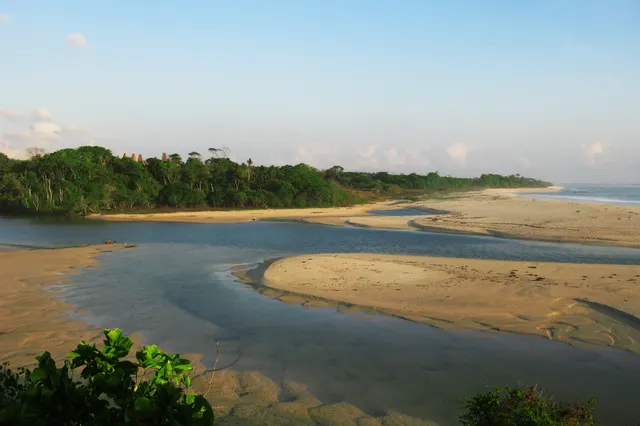
- Pero (Kodi). A fishing village whose beach faces west across open ocean, with outrigger canoes on the sand and a blowhole on the rocks. The sun drops almost straight in front of you. Come for the last two hours of light.
- Mandorak (Kodi Utara). A tiny cove between two limestone cliffs. Late afternoon brings warm colour to the rock walls; the cliff edges are sharp and unfenced, so wear proper shoes.
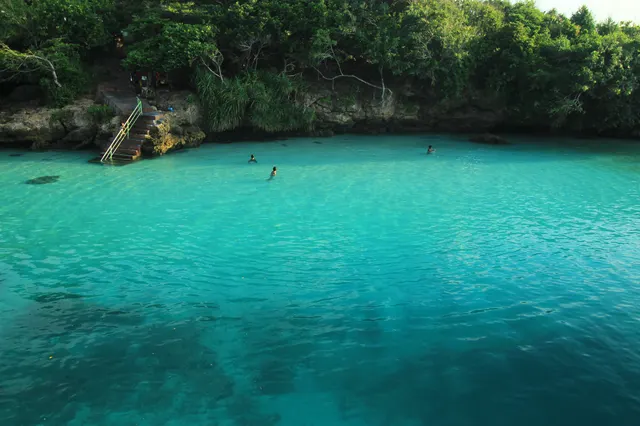
- Weekuri Lagoon. Best for golden-hour swims rather than the sunset itself: it has closed around 17:00. Combine it with Mandorak or Pero, a short drive away.
- Ratenggaro (Kodi Bangedo). Tall clan houses and stone tombs on a headland above the sea, beautiful in late light. It is a home, not a viewpoint: ask permission, sign the guest book, leave a donation and never climb on the tombs.
- Bawana (Mbawana). A long south-facing beach below layered ochre cliffs, reached by about 300 steep steps. Indonesian reports say the beach is open 24 hours and camping is possible, so you can stay into the evening, but take a torch for the climb back.
- Kerewe (Lamboya). Walk west and up the grassy hill above the small bays in the late afternoon for one of the quietest sunsets on the island.
- Marosi (Lamboya). A wide south-coast beach whose softest light comes in the last two hours of the day, when the sand cools and the surf glows.
- Bukit Lendongara (near Tambolaka). A savanna hill east of town, green in the rains and gold in the dry months, with views to the sea. Easy on an arrival day; a 2023 guide listed an entry fee of about IDR 15,000. See Tambolaka.
- Tarung (Waikabubak). A traditional hilltop village in the middle of West Sumba's capital, lovely as the town lights come on. Treat it as the community's ceremonial heart it is.
The east: savanna, mangroves and dawn
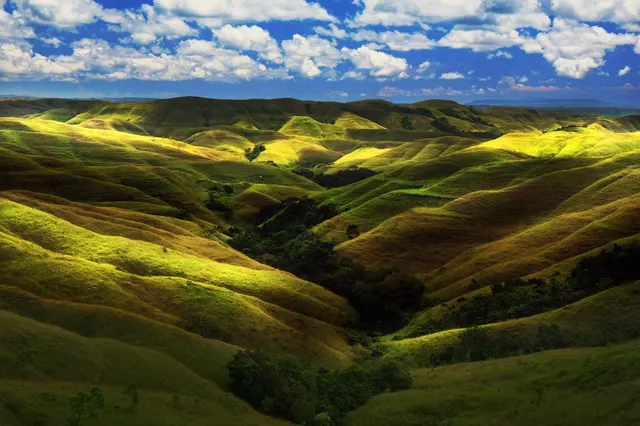
- Wairinding. The classic image of East Sumba, about 30-45 minutes from Waingapu. Official tourism material recommends sunset, when the side light carves the folds of the hills; sunrise is just as good and cooler.
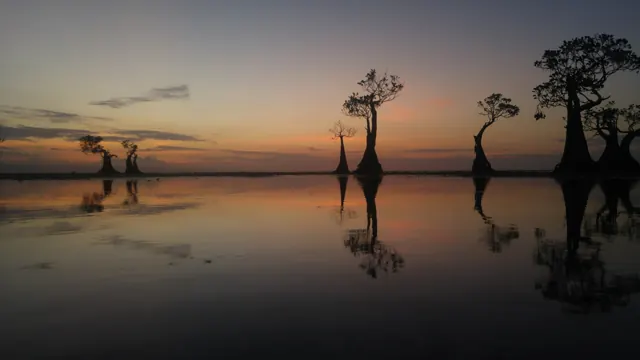
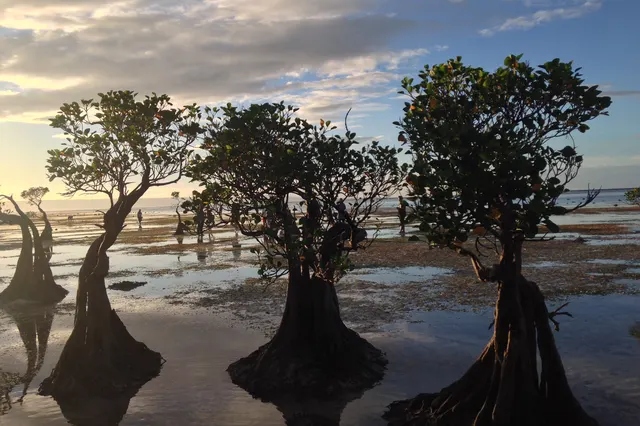
- Walakiri. East Sumba's most photographed sunset, about 30-35 minutes east of Waingapu, famous for its dwarf "dancing" mangroves. The magic needs low tide close to sunset, so check a tide table for Waingapu and arrive around 16:30.
- Puru Kambera. Savanna with free-roaming horses above a calm beach on the north coast, about 45-60 minutes from Waingapu. Sunsets over the grass are a highlight, best in the dry season.
- Bukit Persaudaraan. "Brotherhood Hill", almost in front of Waingapu airport, with views over rice fields, the river, the town and the sea. Perfect before or after a flight, at sunset or sunrise.
- Waingapu old harbour. Walk the waterfront at dusk and eat grilled fish from the stalls as the boats come in. See Waingapu town.
- Bukit Tanarara (Kahaungu Eti). The sunrise spot. The hills are about an hour's drive from Waingapu on paved roads; Indonesian travel reporting advises arriving around 04:00 and walking up before the sky turns from green to orange-red over the savanna. It can be cold and windy, so bring a layer.
- Londa Lima. The closest proper beach to Waingapu, calmest and clearest in the morning: a gentle way to start the day after an early sunrise.
Best season for sunsets and sunrises
The dry season, roughly May to October (lasting into November in the east), gives the clearest skies, golden savanna and dry tracks to remote viewpoints. Travel writers often call it the best time for sunsets. In the rainy season, roughly November or December to March, the hills are vividly green and the clouds can make spectacular skies, but many evenings are overcast and roads can be muddy. Our best time to visit Sumba guide goes month by month.
Tips for chasing the light
- Arrive 60-90 minutes early to find your angle; the best colour often comes in the last half-hour before the sun touches the horizon and in the brief twilight after.
- Plan the drive back: roads are unlit, animals sleep on the warm asphalt and potholes are invisible at night. Choose a sunset spot near where you sleep, or go with a local driver. See getting around Sumba.
- Bring a torch, water and repellent: dusk is when malaria mosquitoes start to bite. Our safety and health guide explains how to protect yourself.
- Respect people and places: ask before photographing anyone, keep off tombs and ritual sites, and leave a small donation where it is asked. Read Marapu, ikat and traditional villages.
- Carry small notes for parking and village contributions.
- Combine the light with a route: our 5, 7 and 10-day itineraries already place a sunset at the end of most days, and couples will find more ideas in honeymoon in Sumba.
Whichever you choose, put the camera down for the last few minutes. On a quiet hill in Sumba, with the wind in the grass and the sun sliding into the sea, the memory is worth more than the picture.
Frequently asked questions
What time is sunset in Sumba?
Between about 17:45 WITA in June and 18:30 in late January in Waingapu, and roughly five minutes later on the west coast. In the dry season it is about 17:45-18:00.
Where is the best sunset in Sumba?
Walakiri beach in the east, with its dancing mangroves at low tide, Wairinding hill, and the west-facing beaches of Pero and Mandorak in Kodi.
Where can I see the sunrise in Sumba?
Bukit Tanarara, about an hour from Waingapu, is the favourite; Wairinding and Bukit Persaudaraan near Waingapu airport are easier alternatives.
Which coast of Sumba faces west?
The Kodi coast in Southwest Sumba faces the open Indian Ocean to the west, giving sunsets over the sea all year.
When is the best season for sunsets in Sumba?
The dry season, roughly May to October, has the clearest skies. The rainy season brings green hills but more cloudy evenings.
When should I go to Walakiri for sunset?
On an evening when low tide falls close to sunset; arrive around 16:30 and check a tide table for Waingapu.
Places in this guide
- Pero Beach · Southwest Sumba · Open in maps
- Mandorak Beach · Southwest Sumba · Open in maps
- Bawana (Mbawana) Beach, Tanjung Radar · Southwest Sumba · Open in maps
- Kerewe Beach (Patiala Bawa village area, Lamboya) · West Sumba · Open in maps
- Marosi beach · Lamboya, West Sumba · Open in maps
- Tarung village · Waikabubak, West Sumba · Open in maps
- Bukit Wairinding · East Sumba · Open in maps
- Walakiri Beach · East Sumba · Open in maps
- Puru Kambera · East Sumba · Open in maps
- Bukit Persaudaraan · Kambera, East Sumba · Open in maps
- Londa Lima Beach · East Sumba · Open in maps
- Waingapu first light, sunrise and sunset times 2026, SunriseSunsetTime.org, accessed November 2026
- 8 best sunset spots in Sumba with aesthetic views, Indonesia Juara, accessed November 2026
- Terpikat sunrise di Tanarara, bukit eksotis di Sumba Timur, Good News From Indonesia, 25 November 2025
- Daya tarik hingga rute menuju Pantai Mbawana di Sumba Barat Daya, detikBali, 28 July 2024
- Pantai Walakiri, Indonesia.travel (Ministry of Tourism), accessed November 2026
- A true backpacker's guide to Sumba's best experiences (entry fees), Bobobox, 1 September 2023
Spotted an error? Write to info@ecobeachcity.com.
Sumba this week, every Sunday
The week's news, one place worth the trip and practical travel notes. Free, and you get our 7-day Sumba guide (PDF) on signing up.
One email a week. No spam. Unsubscribe in one click. Sumba this week