Travel
Surfing in Sumba: waves, seasons and what to know before you go
Empty reef breaks, river-mouth peaks and long rights a boat ride offshore: how to surf Sumba well, safely and with respect for the people who live by these waves.
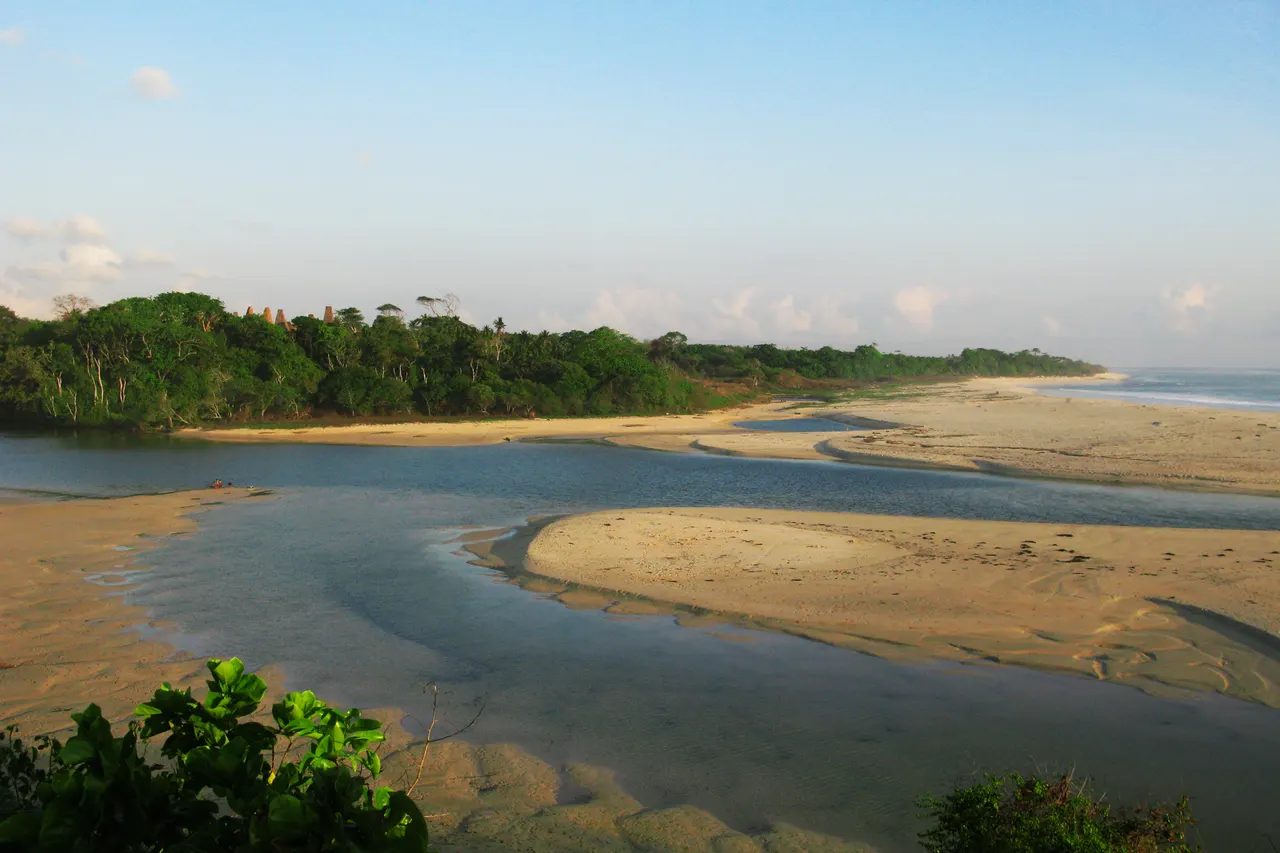
Sumba's surf is on its south and west coasts, which face the open Indian Ocean: the Kodi coast around Pero, the bays of Lamboya and Wanukaka in West Sumba, and Tarimbang and the south-east coast in East Sumba. The most consistent season is the dry season, roughly April to October, when south-west groundswells arrive; most waves break over shallow reef and suit intermediate to advanced surfers, while beginners do better on small days and sandy peaks.
- Surf coasts
- South and west coasts, facing the Indian Ocean
- Main season
- Dry season, roughly April-October (south-west groundswell)
- Water temperature
- Around 27 C; boardshorts and a rash vest
- Wave type
- Mostly reef breaks; tide-sensitive
- Best for
- Intermediate to advanced surfers; beginners only on small days
- Getting there
- Fly to Tambolaka (west) or Waingapu (east); no public transport to breaks
First light on the west coast of Sumba. The palms are still black against a pale sky, a fisherman pushes his canoe through the shallows, and somewhere beyond the lagoon you hear it before you see it: the slow thump of a set breaking on the reef, then the hiss of whitewater running all the way to the sand. No traffic, no music, no row of surf schools. Often the only other people in the water are a couple of village kids on broken boards, laughing every time they fall.
That is the promise of surfing in Sumba. The island sits south-east of Bali, fully exposed to the Indian Ocean, and its south and west coasts catch the same long-period swells that made Indonesia famous, with a tiny fraction of the crowds. But Sumba is also remote, the waves are mostly over reef, and many breaks are far from the nearest town. This guide explains where the surf is, when to go, which level you need and how to do it safely and respectfully.
Where the waves are: the main surf zones
Almost all of Sumba's surf is on the coasts that face south and west into the open ocean. Think of the island in three surf zones.
Low Tide, every Sunday
One short letter a week about living well, from an island with more horses than traffic lights. Free.
We only use your email to send the letter. Unsubscribe in one click.The Kodi coast and Pero (Southwest Sumba)
The far west of the island, around the fishing village of Pero in Kodi, has a left and a right on either side of a river mouth. The right is a mechanical wave wrapping into the bay that needs a solid, long-period south to south-west swell and works best from mid to high tide; at low tide the inside section becomes dangerously shallow, with coral heads just under the surface. The left works on dry-season south-west swells and can hold large surf. Pero beach is about 45 km from Tambolaka airport, allow roughly 1 to 2.5 hours by car, since estimates vary with the road and stops. Lineups here are usually very light.
Lamboya and Wanukaka bays (West Sumba)
South of Waikabubak, the coast opens into wide bays. At Marosi beach in Lamboya there is an exposed reef break with lefts and rights that forecast sites rate as reliable. In big swell it becomes a heavy, shifting right with long hold-downs; on small days it turns into a much friendlier beach-break style peak, and the sandier parts are safest at low tide. Nearby points along the same stretch of coast offer long rights on the right swell. Marosi is roughly 70 km from Tambolaka, around 1.5-2 hours by road. Further east, Wanukaka has rights that tend to work on wet-season south-east swells (around November-December), but the paddle-out crosses boulders and conditions are often messy.
Some breaks along this coast are next to private properties where access from land is limited. Ask locally before you walk across any land, and never assume a track is public.
Tarimbang and the south-east coast (East Sumba)
On the south coast of East Sumba, the bay of Tarimbang has one of the island's best-known waves, a long right-hander breaking several hundred metres offshore (surf guides put it at around 500 m out). Surfers call it Miller's Right. It is widely described as suitable for a range of levels, with a long ride for experienced surfers and softer shoulders for intermediates, and in peak season it is the one Sumba wave where you may actually share a lineup. You normally pay a local boatman to take you out and bring you back. Tarimbang village is about 90 km from Waingapu, roughly 2-3 hours by car, the last part on slower roads.
Further east, the reefs around Kalala near Baing hold a cluster of reef breaks and beach breaks, with an offshore island that has its own big left. This is the emptiest part of the island and generally works best in the wet season, when it picks up more south-east swell.
When to go: swell seasons in Sumba
Sumba follows the same rhythm as the rest of southern Indonesia.
- Dry season, roughly April to October. This is the main surf season. Low-pressure systems in the Southern Ocean send regular south-west and west groundswell, and the west and south-west facing breaks are at their most consistent. Forecast statistics for Marosi show April among the cleanest months. Some guides note that the early season, around March to June, can be better before the strongest south-east trade winds set in.
- Late season, roughly October to December. Can bring glassy days and solid swells, and fewer surfers.
- Wet season, roughly November to March. Swells are generally smaller and less clean, winds swing to the west and north-west, and that makes some breaks that are sheltered or face south-east (in East Sumba especially) the better bet. Smaller waves can suit beginners, but heat, storms and slippery roads make travel harder.
Wind matters as much as swell. Mornings are usually the cleanest window before the breeze picks up, so plan early sessions. The water is warm, around 27 C according to satellite data, so most people surf in boardshorts or a bikini and a rash vest. For the full weather picture, see our best time to visit Sumba guide.
What level do you need?
Be honest with yourself. Sumba is not a learn-to-surf destination in the way Bali or Lombok are. Most breaks are reef or reef-influenced, many are powerful, and there are very few rescue services nearby.
| Level | What works | Best time |
|---|---|---|
| Beginner | Small days on sandy peaks (for example the softer beach-break sections at Marosi at low tide), lessons with a local guide | Small swell days, often the wet season |
| Intermediate | Long rights such as Tarimbang on moderate swells, mellower points and beach peaks | Dry season, small to medium swell |
| Advanced | Pero lefts and rights, Marosi in solid swell, shallow reef slabs | Dry season, medium to large swell |
If you are a beginner, come with a surf guide or join lessons organised locally, surf only on small days, and never paddle out alone on a reef you have not watched for at least half an hour.
Reef safety: how not to end your trip on day two
- Watch the tide. Several breaks become dangerous as the tide drops. At Pero the inside reef dries out at low tide; at other spots waves end against cliffs with no channel. Check a tide table before every session.
- Wear reef booties where you must cross flat reef to paddle out, and walk carefully on lower tides.
- Know the hazards. Forecast sites list rips and rocks at Marosi, and some breaks have boulders or sharp coral on the paddle-out. If in doubt, ask a local surfer where the channel is.
- Treat cuts at once. Coral cuts infect fast in the tropics. Rinse with clean fresh water, disinfect, cover and keep checking. Bring a proper first-aid kit with antiseptic and dressings.
- Never surf alone on remote reefs, and tell someone where you are going and when you will be back.
- Health care is limited. Hospitals are in the main towns, hours from many breaks. Travel insurance that covers surfing and medical evacuation is essential. Read our Sumba travel safety and health guide before you go.
Boards and what to bring
Surf shops and board rental are very limited on Sumba, so arrive with everything you need.
- Boards: a sturdy board suited to reef breaks, plus a step-up. Much of Sumba's surf is thick and powerful, and surf guides recommend bringing something bigger for solid days. Two boards is a good rule.
- Spares: extra fins, a leash, wax and a ding-repair kit. Supplies are limited and a broken fin can end your trip.
- Protection: reef booties, a rash vest, a hat and reef-safe sunscreen.
- Health: a first-aid kit with antiseptic, plus any personal medicine.
- Practical: a board bag with good padding (domestic flights to Tambolaka and Waingapu use smaller aircraft, so check the airline's board policy), cash in rupiah, and a refillable water bottle.
Remoteness, roads and getting to the breaks
There is no public transport to the surf. You need a car with driver, a rented scooter if you are experienced on rough roads, or a surf guide with transport. Driving is slow, and the drive from the airports to the breaks is rarely under an hour. Some waves can only be reached by boat, and in remote areas fresh food and clean water can be hard to find, so carry water and snacks. Plan where you sleep around the breaks you want to surf, because accommodation is thin on the ground and fills up in the dry season. See getting around Sumba, where to stay in Sumba and our Sumba travel costs guide for budgets. Costs for drivers, boats and guides vary a lot by season and area: always agree the price, the route and the waiting time before you set off.
Respect for local people and the coast
Surf guides describe the welcome in Sumba as one of the kindest in Indonesia, and keeping it that way is up to visitors.
- Beaches belong to communities. Many coasts sit next to villages and family land. If someone asks for a small fee for parking or access, pay it politely. Ask before crossing land or using a path.
- Hire locally. Pay village boatmen and guides fairly; it is the most direct way surf tourism benefits the people who live here.
- Share the waves. Do not drop in, give local surfers priority, and if a kid on a broken board is enjoying the whitewater, smile and give them space. Leaving spare wax or a leash behind is always appreciated.
- Dress modestly away from the beach. Cover up when you walk through villages or stop at a warung.
- Respect sacred places. Stone tombs and ritual sites near the coast are part of the living Marapu belief. Do not climb or sit on graves, and ask before taking photos. Read more in Marapu, ikat and traditional villages.
- Know the calendar. In February and March the Pasola is held in Kodi, Lamboya, Wanukaka and Gaura, right next to the surf coast. It is worth timing a trip around it; see the Pasola, explained.
- Leave no trace. Take your rubbish, broken fins and wax wrappers with you.
A simple surf trip plan
For a week of surf, fly into Tambolaka, base yourself in the west and split your days between the Kodi coast and the Lamboya bays, checking the tide and swell each evening. With ten days or more, add East Sumba: fly out of Waingapu or drive across the island, and spend a few days around Tarimbang. On flat days, there is plenty to do: lagoons, waterfalls and traditional villages (see beaches, lagoons and waterfalls and our Sumba itinerary for 5, 7 or 10 days). Comparing islands? Read Sumba vs Bali and Flores.
Frequently asked questions
When is the best time to surf in Sumba?
The dry season, roughly April to October, brings the most consistent south-west groundswell to the west and south-west facing breaks. The early season (around March-June) and the late season (around October-December) can offer cleaner conditions and fewer surfers. In the wet season, some sheltered or south-east facing breaks in East Sumba work better.
Is Sumba good for beginner surfers?
Only with care. Most waves break over shallow reef and are powerful. Beginners should come with a local guide, surf small days and look for sandy sections, such as the beach-break parts of Marosi at low tide.
Where are the main surf spots in Sumba?
The Kodi coast around Pero in Southwest Sumba, the Lamboya and Wanukaka bays (including Marosi) in West Sumba, and Tarimbang and the south-east coast around Kalala in East Sumba.
Can I rent a surfboard in Sumba?
Rental is very limited, so bring your own boards, spare fins, a leash and a repair kit. Many surfers bring a reef board and a step-up for bigger days.
Is surfing in Sumba crowded?
Generally no. Lineups are light compared with Bali. The long right at Tarimbang can draw a few surfers in peak season, and some breaks near private properties have limited land access.
Do I need a wetsuit in Sumba?
No. The water is around 27 C, so boardshorts or a bikini with a rash vest is enough. Reef booties are useful where you cross flat reef.
Places in this guide
- Pero Beach · Kodi, Southwest Sumba · Open in maps
- Marosi Beach · Lamboya, West Sumba · Open in maps
- Tarimbang · Tabundung, East Sumba · Open in maps
- Prai Kalala · Mahu, East Sumba · Open in maps
- Sumba surf, The Surf Atlas
- Sumba Surf Travel Guide, Perfect Wave Travel
- Sumba region guide, Indo Surf and Lingo
- Marosi surf break guide and statistics, Surf-Forecast.com
- Pero Rights, Indonesian Surf Guide
- How to plan the perfect surf trip to Sumba Island, Pure Travel, 6 March 2025
- This underrated Indonesian island is a great beach vacation destination for surfers, Explore.com
- Coordinates: Pantai Pero, Pantai Marosi, Tarimbang, Prai Kalala, OpenStreetMap (Nominatim)
Spotted an error? Write to info@ecobeachcity.com.
Low Tide, every Sunday
One short letter a week about living well, from an island with more horses than traffic lights. Free.
We only use your email to send the letter. Unsubscribe in one click.