Guide · Culture
Sumba on screen: Marlina, Susah Sinyal and other films
Four Indonesian films put Sumba's hills on screen, one of them at Cannes. The shooting locations that can be traced to a source, and how to visit.
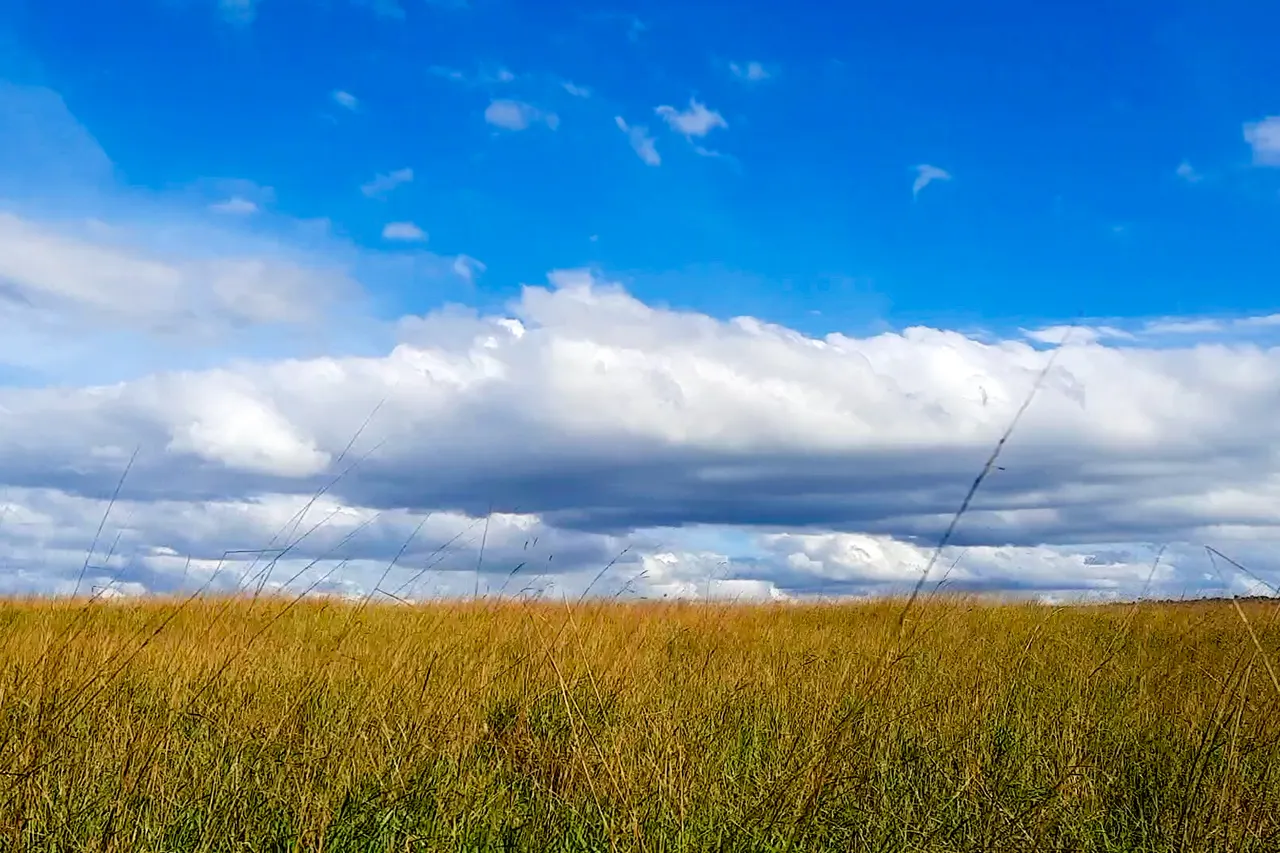
Indonesian films shot in Sumba include Pendekar Tongkat Emas (The Golden Cane Warrior, 2014), Marlina the Murderer in Four Acts (2017), Susah Sinyal (2017) and Humba Dreams (2019). The locations named in open sources are almost all in East Sumba: Wairinding hill for Pendekar Tongkat Emas and Susah Sinyal, Bukit Tanau and Bukit Tanarara for Susah Sinyal, and the Tanarara savanna as a key landscape of Marlina.
- Main films
- Pendekar Tongkat Emas (2014), Marlina (2017), Susah Sinyal (2017), Humba Dreams (2019)
- Best-known location
- Wairinding hill, 30-45 minutes from Waingapu
- Marlina
- Premiered in the Directors' Fortnight, Cannes 2017; released in Indonesia on 16 November 2017
- Susah Sinyal shoot in Sumba
- About 14 days (Fimela, 2017)
- Humba Dreams
- World premiere at the 2019 Shanghai International Film Festival
- East Sumba visitors in 2025
- 41,524
In 2017 an Indonesian film made in Sumba was screened in the Directors' Fortnight at Cannes: Marlina the Murderer in Four Acts. Three years earlier the Wairinding hills had been the backdrop for the martial arts film Pendekar Tongkat Emas; in the same year as Marlina, the comedy Susah Sinyal was shot on the hills of East Sumba. Many would-be visitors first saw that savanna on a screen, and it is one reason people want to stand on those hills themselves.
The short answer: four feature films are most often linked to Sumba: Pendekar Tongkat Emas (The Golden Cane Warrior, 2014), Marlina the Murderer in Four Acts (2017), Susah Sinyal (2017) and Humba Dreams (2019). Production companies rarely publish location lists, so below we name only places that appear in sources we opened, and we say so plainly when a location cannot be confirmed.
At a glance: films and sourced locations
| Film | Director | Locations in Sumba, according to sources |
|---|---|---|
| Pendekar Tongkat Emas (2014) | Ifa Isfansyah | Wairinding hill (Antara, 2019); Watu Parunu beach reported as a location by CNN Indonesia (2017) |
| Marlina the Murderer in Four Acts (2017) | Mouly Surya | Sumba; the Bukit Tanarara savanna is named as a key landscape in a study from Universitas Muhammadiyah Sidoarjo |
| Susah Sinyal (2017) | Ernest Prakasa | Bukit Tanau, Bukit Tanarara and Wairinding hill (Good News From Indonesia, 2020 and 2025) |
| Humba Dreams (2019) | Riri Riza | Sumba; exact locations not stated (The Jakarta Post, 2019) |
Pendekar Tongkat Emas (2014): martial arts on the thousand hills
Ifa Isfansyah's martial arts film put the hills of East Sumba on the big screen. Risparia Ranggambani, secretary of East Sumba's tourism and culture office, told the Antara news agency on 1 March 2019 that the Wairinding hills, known locally as the "thousand hills", had been a location for the film. CNN Indonesia, in a July 2017 article, wrote that Watu Parunu beach, in the far south-east, was also reported to be one of its locations.
Sumba's culture in your inbox
Marapu, ikat, horses and ceremonies, explained with care every Sunday.
One email a week. No spam. Unsubscribe in one click. Sumba this weekAn undergraduate thesis at Telkom University (2018) on the aesthetics of Sumbanese culture in the film notes that East Sumba was chosen to show areas with potential as tourist destinations, and that the film presents megalithic sites, traditional houses, weaving and the landscape as elements of Sumbanese culture.
Marlina the Murderer in Four Acts (2017): Sumba at Cannes
Mouly Surya's film, starring Marsha Timothy, follows a widow who seeks justice, in four acts: robbery, journey, confession and birth. According to Good News From Indonesia (25 November 2017), it premiered in the Directors' Fortnight at the 2017 Cannes Film Festival, went on to festivals in New Zealand, Melbourne and Toronto, was scheduled for release in 18 countries and opened in Indonesia on 16 November 2017. The project had been selected for Busan's Asian Project Market in 2015.
The film was made in Sumba, but the sources we opened do not list the villages or roads where it was shot. The only name we found is the Bukit Tanarara savanna in East Sumba, described as a key landscape in a study from Universitas Muhammadiyah Sidoarjo on the film as an introduction to Sumba tourism. On 27 November 2017, The Jakarta Post placed Marlina among the films that were opening audiences' eyes to a rarely seen eastern Indonesia.
Susah Sinyal (2017): the comedy that got Indonesia talking about Sumba
The title of Ernest Prakasa's comedy means "bad signal", which gives the joke away, and part of it was shot in Sumba. According to Fimela (27 December 2017), filming in Sumba took about 14 days, and Prakasa scouted locations twice, in March and July: the landscape that was green in March had turned brown by July in the dry season. At the time, Fimela wrote, only one mobile operator was active there.
Good News From Indonesia names three hills as locations: Bukit Tanau (an August 2020 article), the Bukit Tanarara savanna (October 2020) and Wairinding hill (February 2025). For the signal today, see our guide to internet and mobile coverage in Sumba.
Humba Dreams (2019): Sumba from the inside
Riri Riza's film, produced by Mira Lesmana through Miles Films, strikes a different note. Its hero is a Sumba-born film student who returns home to deal with a family matter, finds his late father's storage box and has to find rare chemicals to develop a film. According to The Jakarta Post (31 July 2019), it had its world premiere at the 2019 Shanghai International Film Festival, was first shown in Indonesia in Yogyakarta, and was not marketed to cinemas but screened through communities to prompt discussion. The project won the CJ Entertainment Award at Busan's Asian Project Market in 2017. Exact locations are not given.
Why film tourism grew
- The locations are easy to reach. Wairinding is beside the main road, about 25 km or 30-45 minutes from Waingapu, and in 2019 it was still free because it was not officially managed.
- The landscape is instantly recognisable. The actor Nicholas Saputra, who in 2017 named Wairinding, Tarimbang, Puru Kambera and Watu Parunu among his favourite places, told CNN Indonesia that the landscape is unlike that of other Indonesian islands, as are the culture and the way local people look after it.
- The same hills keep appearing on screen. Wairinding has been used for music videos too, and villagers rent out horses and traditional cloth for photos, at about IDR 50,000 per person, roughly USD 3 (Good News From Indonesia, 2025).
- Air access improved, including non-stop Bali to Waingapu flights since July 2026.
How big was the effect? The Sidoarjo study cites visitor figures rising from 4,658 in 2017 to 8,214 in 2019, but presents the link with the film as an interpretation, not a proven cause. For a sense of scale today, East Sumba counted 41,524 visitors in 2025. Films are one factor; air access is another.
Visiting the locations
- Wairinding hill: 30-45 minutes from Waingapu. Go at sunrise or in the late afternoon.
- Bukit Tanau: about 15 km from town and free; go with a driver who knows the way.
- Bukit Tanarara: about an hour from Waingapu and best known for sunrise; see our guide to sunsets and sunrises.
- Watu Parunu beach: about 120 km from Waingapu; come at low tide and do not swim.
One note. These hills are not a studio: animals are herded there and people live nearby. Take your rubbish away, never light a fire on dry grass, ask before photographing children or herders, and pay fairly if you hire a horse or a cloth. The full route for the east is in things to do in East Sumba.
Frequently asked questions
Which films were shot in Sumba?
The best known are Pendekar Tongkat Emas (The Golden Cane Warrior, 2014), Marlina the Murderer in Four Acts (2017), Susah Sinyal (2017) and Humba Dreams (2019).
Where was Marlina the Murderer in Four Acts filmed?
The film was made in Sumba. The sources we opened do not list exact locations; a study from Universitas Muhammadiyah Sidoarjo names the Bukit Tanarara savanna in East Sumba as a key landscape.
Where was Susah Sinyal filmed in Sumba?
Good News From Indonesia names Bukit Tanau, the Bukit Tanarara savanna and Wairinding hill, all in East Sumba. According to Fimela, the shoot in Sumba took about 14 days.
Where was Pendekar Tongkat Emas filmed?
On the Wairinding hills in East Sumba, according to East Sumba's tourism and culture office, quoted by Antara in 2019. CNN Indonesia also reported Watu Parunu beach as a location.
Can you visit the film locations in Sumba?
Yes. Wairinding hill is 30-45 minutes from Waingapu beside the main road, Bukit Tanau about 15 km from town and Bukit Tanarara about an hour away. Respect the people who live there and their animals.
- Perbukitan Wairinding jadi wisata andalan Sumba Timur, Antara NTT, 1 March 2019
- Film Marlina si Pembunuh dalam Empat Babak, mengenal lebih wajah Sumba, Good News From Indonesia, 25 November 2017
- Humba Dreams contemplates community issues faced by Sumba people, The Jakarta Post, 31 July 2019
- 5 fakta Sumba yang ditampilkan Ernest Prakasa di Susah Sinyal, Fimela, 27 December 2017
- Menyesap sunyi sabana-sabana di Sumba, Good News From Indonesia, 31 October 2020
- Eksotisme film Marlina si Pembunuh dalam Empat Babak sebagai pengenalan pariwisata Sumba, Universitas Muhammadiyah Sidoarjo (preprint)
Spotted an error? Write to info@ecobeachcity.com.
Sumba's culture in your inbox
Marapu, ikat, horses and ceremonies, explained with care every Sunday.
One email a week. No spam. Unsubscribe in one click. Sumba this week