News · Culture
Police probe alleged assault at West Sumba mask festival
Police are investigating a video from the Toro Ata Mat mask party in Lamboya Barat; no suspect, arrest or charge has been announced.
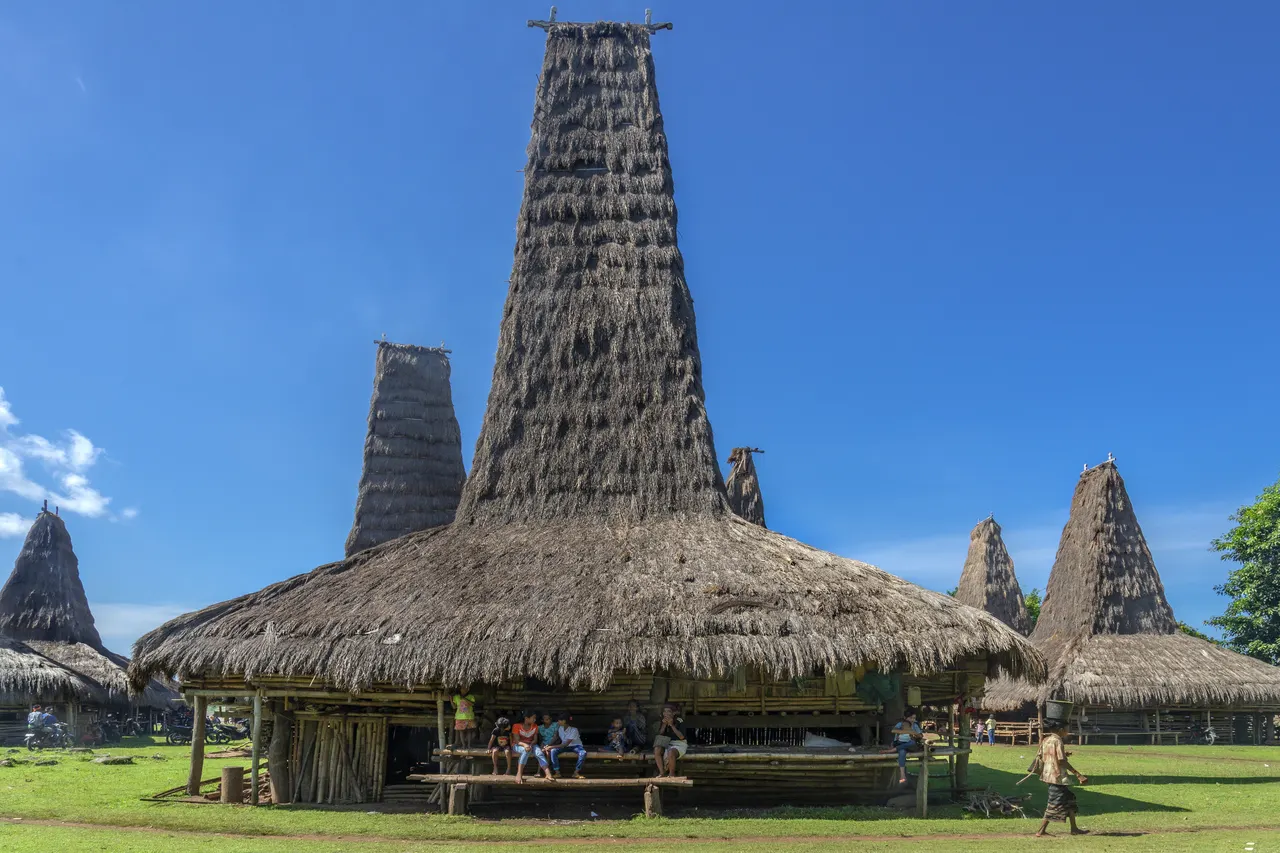
Police in West Sumba said on Thursday 12 November 2026 that they are investigating a suspected indecent act and violence against visitors at the Toro Ata Mat mask party in Kampung Motodau, Lamboya Barat, after a video spread on social media, Sumba Terkini and Sergap reported. No suspect, arrest or charge has been announced.
- The Polres Sumba Barat (West Sumba police) statement of Thursday 12 November 2026 covers a video from the Toro Ata Mat mask party at the peak of the Wulla Pa'ddu celebration in Kampung Motodau, Desa Harona Kalla.
- Police are building the chronology, taking statements and coordinating with the ritual organisers; they have reached no conclusion and asked residents not to share unverified information.
- A sibling of the woman told Sergap that she was escorting hotel guests on Monday 9 November and that the family reported the case on Wednesday 11 November; these are the family's allegations.
- Local voice Asty Kulla and the reports describe the mask dance as a Marapu ritual closing entertainment with set rules; no new rules for visitors have been announced.
WAIKABUBAK. Police in West Sumba are investigating a suspected indecent act and violence at a masked performance in Lamboya Barat, according to Sumba Terkini and Sergap. The statement from Polres Sumba Barat (the West Sumba police) was issued on Thursday 12 November 2026 and refers to a video that spread on social media. It comes from the Toro Ata Mat, or "mask party", in Kampung Motodau, Desa Harona Kalla, held at the peak of the Wulla Pa'ddu celebration. Times are WITA (UTC+8).
What the video and the police statement say
Sumba Terkini reports that the video shows a masked performer allegedly touching a woman inappropriately and kicking her from behind. Police describe it as a suspected sexual offence and violence against visitors (pengunjung). Investigators are working out the chronology, gathering statements and coordinating with the ritual organisers, and Sergap says they have reached no conclusion. Police asked residents to stay calm, avoid provocation and not share unverified information. None of the reports names a suspect, an arrest or a charge, and none quotes the performer or the organisers.
Sergap also quotes a sibling of the woman, who says the incident happened on Monday 9 November 2026 while she was escorting hotel guests to the performance, and that the family reported it to Polres Sumba Barat on Wednesday 11 November. The sibling called it "harassment disguised as culture" (pelecehan berkedok budaya) and said the family does not oppose the culture itself. These are the family's allegations, and the reports carry no reply from the accused.
Sumba's culture in your inbox
Marapu, ikat, horses and ceremonies, explained with care every Sunday.
One email a week. No spam. Unsubscribe in one click. Sumba this weekWhat is Toro Ata Mat, and what are the rules?
Asty Kulla, a Lamboya resident who was not at the event, condemned the conduct on Wednesday 11 November. "Culture must protect, not hurt" (Budaya harus melindungi, bukan melukai), she said, according to Sumba Terkini. She explained that the mask performance is the closing entertainment of the Marapu ritual cycle, which includes Wulla 'Biha, a taboo month, long rituals and prayers to the ancestors. In the teasing dance, called Hawe'ddoka, the performer should move around the crowd with arms crossed over the chest and the body covered by a black cloth, without chasing, forcing or touching spectators. She also questioned whether the mask in the video matched the traditional Ata Mat mask, carved from wood, smoked and soaked in mud until it turns black, and asked the Rato (customary elders), village and district authorities and security forces to prevent a repeat. She called for both customary and legal sanctions.
West Sumba is also home to the Pasola, another ritual of the Marapu year; our Pasola guide explains how the Rato set such dates.
What it means for visitors, residents and investors
Visitors: the incident concerns one village event and the reports do not assess safety in general, but they are a clear reminder that ceremonies belong to the community. Ask your host before attending, ask before filming, stay back from masked performers and read our etiquette guide and our page on West Sumba. Residents: the case puts pressure on customary leaders and organisers to set and enforce limits. Investors: hotels and tour operators that take guests to ceremonies depend on clear ground rules agreed with village hosts; none have been announced, so this is a reminder, not news of a change.
Traditional ceremonies in West Sumba are community rituals, not shows staged for tourists. Go with a local host or guide, ask before you attend and before you film, keep your distance from masked performers and follow the organisers' instructions; the reports announce no new rules for visitors.
- Sergap: Polres Sumba Barat Selidiki Dugaan Asusila dan Kekerasan dalam Ritual Adat Topeng di Lamboya Barat (12 Nov 2026)
- Sumba Terkini: Aksi Tak Senonoh Pria Bertopeng dalam Ritual Adat Sumba Barat Ditangani Polisi (13 Nov 2026)
- Sumba Terkini: Asty Kulla Kecam Aksi Tak Senonoh dalam Atraksi Toro Ata Mat atau Pesta Topeng di Sumba Barat (11 Nov 2026)
- Sergap: Pelecehan Berkedok Budaya di Motodawu, Kakak Korban Angkat Bicara (12 Nov 2026)
Spotted an error? Write to info@ecobeachcity.com.
Sumba's culture in your inbox
Marapu, ikat, horses and ceremonies, explained with care every Sunday.
One email a week. No spam. Unsubscribe in one click. Sumba this week