Guide · Culture
Wulla Poddu: West Sumba's sacred 'bitter month' explained
Wulla Poddu is the Marapu ritual season of West Sumba, usually October to November. What happens, what is forbidden and how visitors should behave.
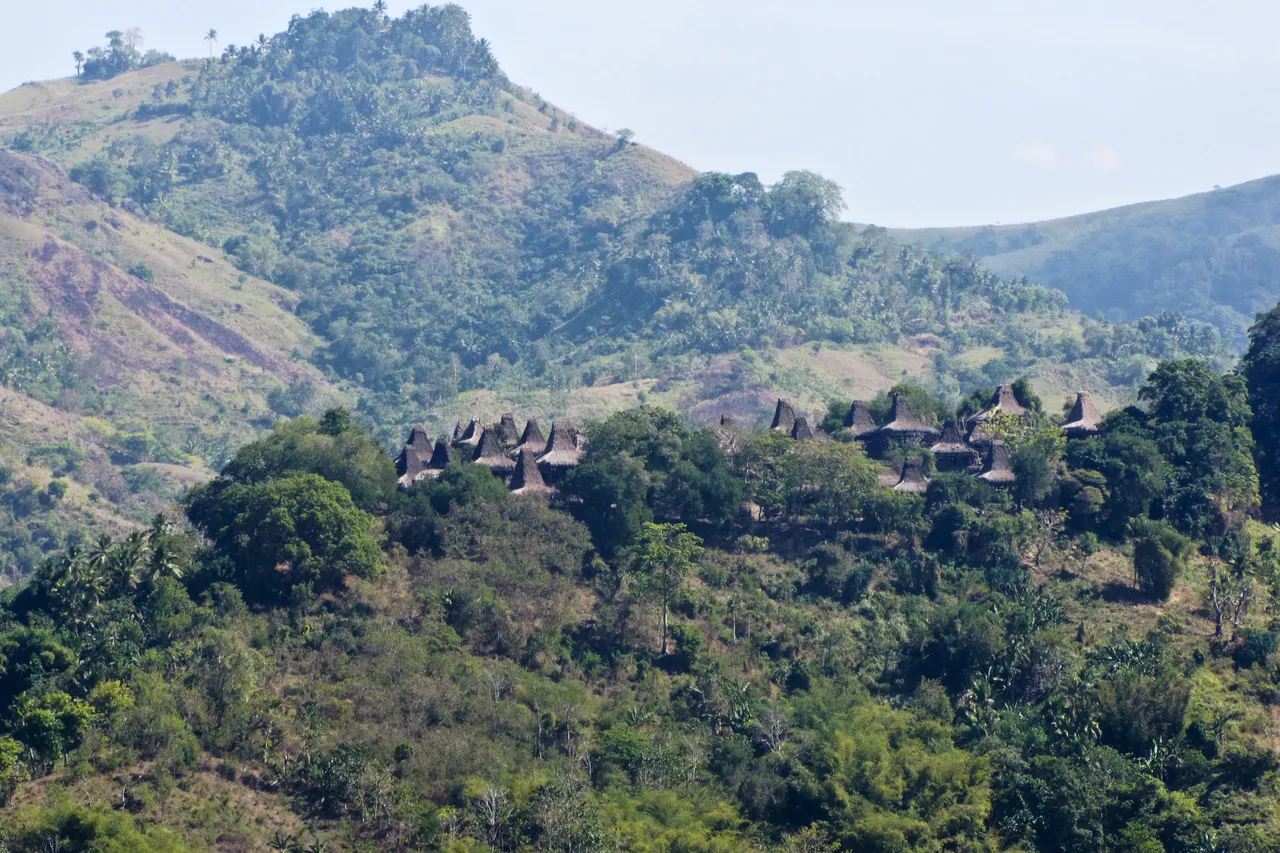
Wulla Poddu, the 'bitter month', is the most important ritual season of the Marapu religion in West Sumba. It falls roughly between October and November, its exact dates are set each year by the Rato elders from the moon and the flowering of certain trees, and its largest ceremonies take place in the Loli villages around Waikabubak, including Tarung and Tambera.
- Wulla means month and poddu means bitter: a month of strict rules, not a festival.
- Dates are not published in advance; the Rato elders set them each year.
- Field work, funerals and other celebrations are suspended in the villages that hold it.
- The peak, Kalango Loddo, runs from night until morning with sacred dances.
- Visitors may watch parts of it only with a local guide and the village's permission.
WAIKABUBAK. For a few weeks each year, the hilltop villages of Loli, on the edge of Waikabubak, change their rhythm. Nobody works in the fields. Funerals wait. Weddings and parties are put off. In the village courtyards the elders decide each step, and drums and gongs mark the progress of a ritual cycle that has a blunt name: Wulla Poddu, the bitter month.
It is the central ceremony of Marapu, the ancestral religion of Sumba, in the west of the island. This guide explains what it is, how its dates are chosen, which villages hold it and what a visitor needs to know before turning up in Waikabubak in October or November.
What Wulla Poddu means
In the Loli language, wulla means month and poddu means bitter. A 2021 article on the Indonesian site Good News from Indonesia explains the name by the strict prohibitions that apply during the period: it is a month of restraint, not of feasting. It is still, the same article notes, a sacred time that followers look forward to all year.
Sumba's culture in your inbox
Marapu, ikat, horses and ceremonies, explained with care every Sunday.
One email a week. No spam. Unsubscribe in one click. Sumba this weekFollowers of Marapu believe the Creator speaks through the spirits of the ancestors. During Wulla Poddu the community asks those ancestors for guidance for the coming year, and the answers are read in the entrails of sacrificed chickens and pigs. It is also a time of cleansing: one rite, Tobba Wano, drives evil spirits and wrongdoing out of the village with symbols such as kitchen ash and chicken feathers.
Three researchers who studied the ritual in Tarung and Praiijing for the anthropology journal Anthropos (2021) describe it as something that holds the community together regardless of status or of the official religion people now carry on their identity cards. Most Sumbanese are registered as Christians, but many families still take part in Marapu ceremonies, and Wulla Poddu is the largest of them in the west.
When Wulla Poddu takes place
There is no fixed date. The rite follows the customary calendar of West Sumba, and a 2010 study in the arts journal Ekspresi (Institut Seni Indonesia Yogyakarta) records that the elders set it by natural signs: the phase of the moon and the flowering of the dadap tree (Erythrina) and the kapok tree. In practice, Indonesian sources place it between October and November, and older travel references describe a period of several weeks in November that ends with a day of offerings, song and dance.
The decision belongs to the Rato Rumata, the senior ritual leaders. The first rite of the cycle, Deke Ana Kaleku, is a meeting at which two Rato agree on the starting date. Only then do village elders announce the rules to everyone else, in a rite called Padeddalana.
For a traveller this has a practical consequence: nobody can sell you a ticket or give you a date months ahead. If someone online quotes exact days for a future year, treat them as a guess.
Which villages hold it
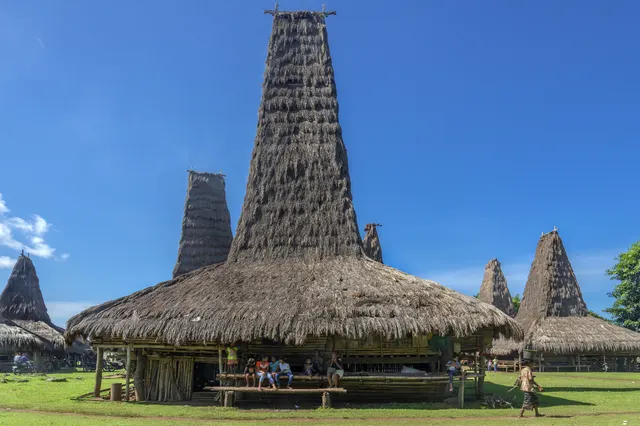
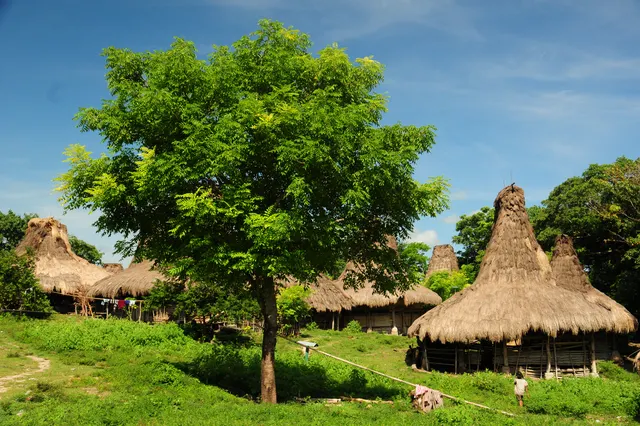
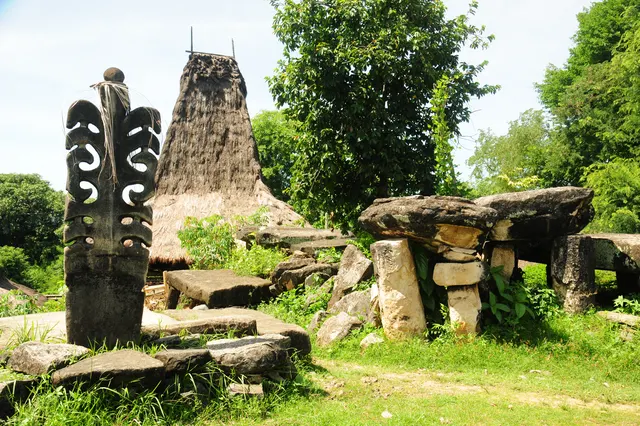
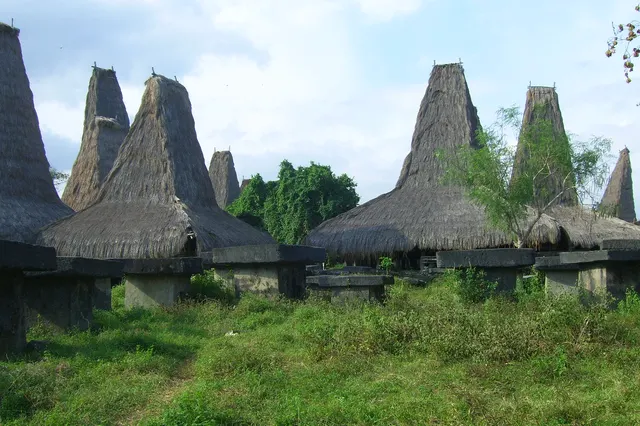
The largest celebration is in Loli, the district around Waikabubak, in the villages of Tambera, Tarung, Bondo Maroto and Gollu, with Tambera described as a central ritual village. Good News from Indonesia also lists ceremonies in Lamboya (Sodan and Kadengar), Wanokaka (Kadoku) and Tana Righu (Ombarade). Tarung sits on a hill in the middle of Waikabubak, which is why most visitors hear about Wulla Poddu there first.
What happens during the bitter month
The cycle is long and is not a single event. The 2021 account lists 18 named rites. Among them:
- Tubba Rata, which re-enacts the creation of the first humans.
- Tauna Marapu, which invites the ancestors to witness the ritual.
- Pogo Mawo, the cutting of a new protective tree to replace last year's.
- Woleka Lakawa, when children and adults practise the songs and dances.
- Regga Kulla, the welcome of guests from a neighbouring village.
- Wolla Wiasa Karua, a night in which sacred rice is pounded, cooked and offered.
- Mana'a, a shared meal for which every participant brings a chicken.
- Kalango Loddo, the peak, from night until morning, with dances, chants and re-enactments of ancestral events.
Three days after the peak, rice seedlings are planted and the sacred objects go back into storage. A thanksgiving rite, Woti Kalowo, takes place inside a sacred cave, and a final announcement, Yemo, tells the community that Wulla Poddu is over.
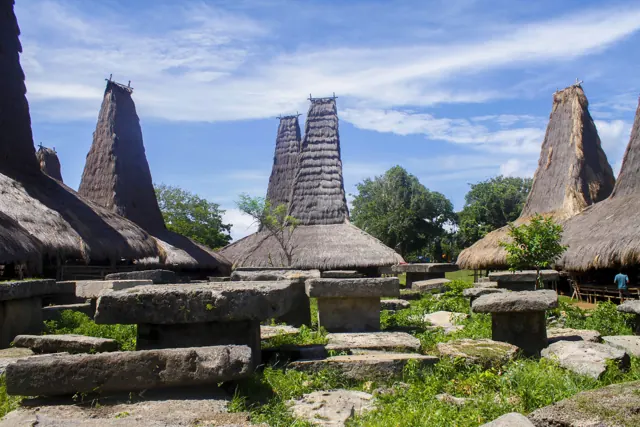
Music carries the whole cycle. The Ekspresi study describes the talla, the gong and drum pieces played in the courtyard of the ancestral house (the natar poddu). One piece signals that the ceremony is under way; another accompanies dancers who confess their faults by placing betel and areca nut on sacred stones. Mistakes in the rhythm are believed to bring misfortune on the player, so only trained players from Marapu families perform them.
What is forbidden
The rules are the reason for the name. During Wulla Poddu, daily work, especially in the fields, is forbidden in the villages that hold it, and funerals and other festive events cannot take place, because the ritual is considered sacred and cannot share the calendar with anything else. Other restrictions are set and announced by the elders each year, which is why a guide from the village matters more than any article.
Our guide to Tarung village already notes that access is restricted during the sacred month. Expect parts of the village, and some nights, to be closed to outsiders.
Can visitors attend?
Sometimes, and only on the community's terms. Good News from Indonesia says visitors from outside the region can watch Wulla Poddu around October and November; it does not say that every rite is open. A sensible approach:
- Go with a guide from Waikabubak who has family ties to the village, and ask him or her to request permission first.
- Accept a no. Some rites are closed, and the answer can change from one day to the next.
- Dress modestly, sit where you are told and do not walk across the courtyard during a rite.
- Ask before every photograph, never use flash or a drone, and put the phone away during sacrifices.
- Bring a contribution for the village book, as you would on any visit. Our list of etiquette mistakes in Sumba covers the rest.
Wulla Poddu is not the Pasola. The Pasola, in February and March, is a public spectacle that draws crowds; Wulla Poddu is closer to a religious retreat that a visitor is allowed to glimpse.
What it means
For anyone planning a trip to West Sumba in October or November, Wulla Poddu is both a chance and a limit. The chance is to see Marapu as a living religion, with its own calendar, music and law. The limit is that villages such as Tarung are busy with something far more important than tourism. Plan your days in Waikabubak with slack, ask locally which days are open, and treat whatever you are allowed to see as a privilege.
Frequently asked questions
When is Wulla Poddu?
Roughly between October and November each year. The exact dates are set annually by the Rato elders of West Sumba, following the moon and the flowering of trees such as the dadap, and are not published far in advance.
Where can I see Wulla Poddu?
The largest ceremonies are in the Loli villages around Waikabubak (Tambera, Tarung, Bondo Maroto, Gollu), with others in Lamboya, Wanokaka and Tana Righu. Some rites are closed to outsiders.
Is Wulla Poddu the same as the Pasola?
No. Both belong to Marapu, but the Pasola (February and March) is a public mounted contest, while Wulla Poddu is a month of prohibitions and rites inside the villages.
- Wulla Poddu, ritual sakral masyarakat Sumba Barat untuk mendekatkan diri dengan Tuhan, Good News from Indonesia, 10 December 2021
- Kondi, Pillakoannu and Lattu, Ritual Wulla Poddu sebagai model resiliensi masyarakat Marapu di Kampung Tarung dan Praiijing, Anthropos 6(2), 2021
- Ceunfin, Makna simbolik upacara Wulla Poddu dalam masyarakat Loli, Ekspresi 10(1), ISI Yogyakarta, 2010
- Tarung, Wikipedia
Spotted an error? Write to info@ecobeachcity.com.
Sumba's culture in your inbox
Marapu, ikat, horses and ceremonies, explained with care every Sunday.
One email a week. No spam. Unsubscribe in one click. Sumba this week