News · Culture
East Sumba drafts a creative economy plan, with weavers on the agenda
A public consultation on 19 November opened the 2026-2045 master plan; no budget, targets or adoption date have been published.
East Sumba regency began drafting a creative-economy master plan for 2026-2045 with a public consultation on 19 November 2026, Waingapu.Com reported on 20 November. One session focused on protecting and improving the welfare of weavers. No budget, targets or adoption date were reported.
- The regency held a public consultation on 19 November 2026 to draft its Rencana Induk Ekonomi Kreatif (Rindekraf) 2026-2045.
- A researcher presented "From Certificate to Protection, Governance and Welfare of Weavers"; the report does not say which certificate is meant.
- The aim is for arts, crafts and traditions to become part of a productive local economy.
- No funding, targets or adoption date are reported, and the account comes from one outlet.
Background: Sumba ikat: how it is made, what it means and where to buy it from the weavers
WAINGAPU. East Sumba regency has begun drafting a master plan for its creative economy through 2045, and a first public consultation on Thursday 19 November 2026 gave particular room to the people who weave the island's cloth, Waingapu.Com reported on 20 November. The plan is called the Rencana Induk Ekonomi Kreatif (Rindekraf) 2026-2045. The report gives no budget, targets, timeline or adoption date.
What was discussed
The consultation took place in the Aula Patola Ratu at the regency secretariat in Waingapu and was opened by regional secretary Umbu Ngadu Ndamu. According to Waingapu.Com, one talk drew particular attention: researcher Arianti Ina Restiani Hunga, joining online from Salatiga, presented "From Certificate to Protection, Governance and Welfare of Weavers". The paper says it covered protecting creative work and identity, and how recognition and good management can add to the welfare of artists and craftspeople. The report does not say which certificate or protection scheme is under discussion.
Other speakers were Maklon Kila, a former rector of UNKRISWINA Sumba, and Adi Papa Pandarangga of the regency planning agency Bappeda. Yulius Ngenju, Assistant II to the regional secretary, moderated, and participants put questions and suggestions.
Sumba's culture in your inbox
Marapu, ikat, horses and ceremonies, explained with care every Sunday.
One email a week. No spam. Unsubscribe in one click. Sumba this weekWhy weaving is central
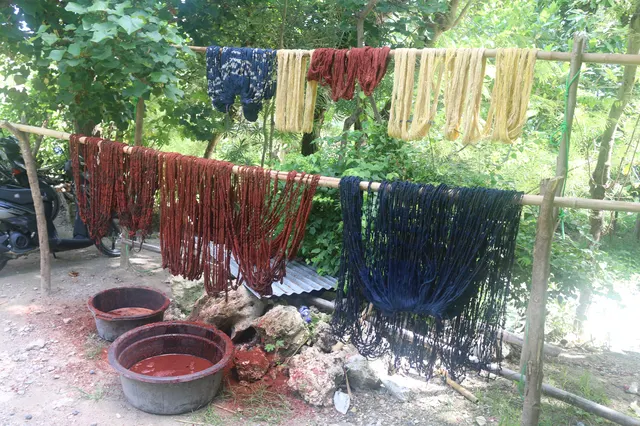
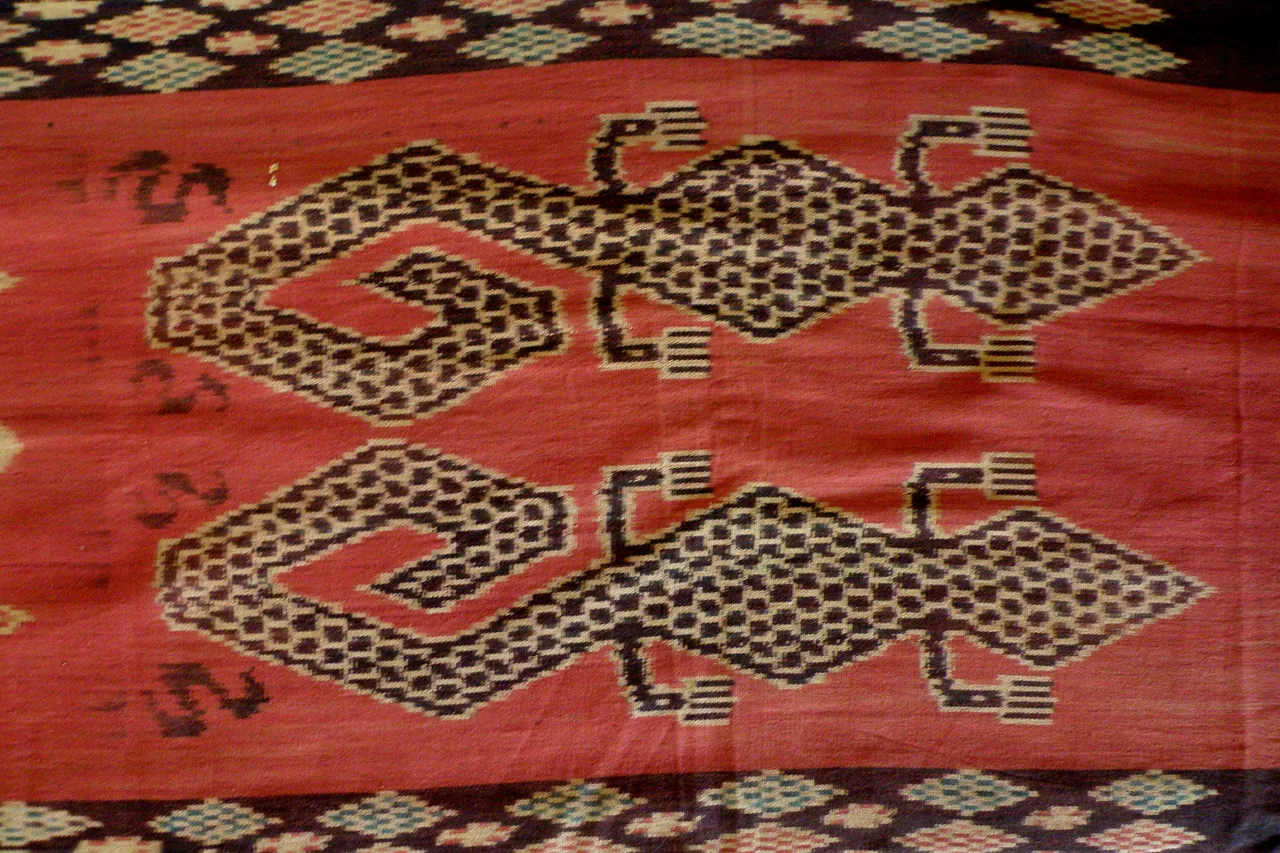
The outlet describes East Sumba tenun, the hand-woven ikat cloth, as having strong motifs, cultural values and a demanding making process. It says this heritage needs policy support, market development, protection of the work and stronger skills for the people who make it if it is to bring wider economic benefit. The plan is meant to set a strategy in which arts, crafts, traditions and other local creative products become part of a productive economy.
What is not reported matters too: no funding, sales or income figures for weavers, no targets and no date for the final plan. Everything here rests on one outlet, so treat it as single-source until the regency publishes its own notice.
What it means for visitors, residents and investors
Visitors: nothing changes yet. If you buy tenun, ask who made it and how, and expect that rules on protecting or certifying cloth may follow, although none are announced. Residents: weavers, workshops and cooperatives can follow further consultations through the regency; the report does not say how to take part. Investors: this is the start of planning, not a programme with money or incentives. Anyone considering textile, craft or cultural-tourism ventures should watch Bappeda and read the plan when it is published before assuming any support.
Nothing changes yet. If you buy tenun, ask who made it and how; rules on protecting or certifying cloth may follow, but none are announced.
Spotted an error? Write to info@ecobeachcity.com.
Sumba's culture in your inbox
Marapu, ikat, horses and ceremonies, explained with care every Sunday.
One email a week. No spam. Unsubscribe in one click. Sumba this week