Living on Sumba
Very strong El Niño delays rains in most of NTT until December
Indonesia's weather agency expects a late, short rainy season across East Nusa Tenggara, the province that includes Sumba. November should stay drier than normal.
BMKG, Indonesia's meteorology agency, said on 22 September 2026 that a very strong El Niño will make the 2026/2027 rainy season late and short in East Nusa Tenggara (NTT), the province that includes Sumba. Most of NTT is expected to see the wet season start in December 2026, with the peak in January or February 2027. NTT's climatology station forecast 51 to 100 mm of rain for November, below normal.
- BMKG classes the current El Niño as very strong (Niño 3.4 anomaly of +2.83 at the end of August).
- Rainy season start in most of NTT: December 2026; only a small part of the province in November.
- Peak rain: January 2027 in parts of NTT, February 2027 in most of it.
- Province-wide forecast: 0 to 20 mm in October and 51 to 100 mm in November, both below normal; 201 to 300 mm in December.
- BMKG published no separate figures for Sumba's four regencies.
WAINGAPU — The rainy season will come late and be shorter than usual in most of East Nusa Tenggara (NTT), the province that includes Sumba, because of a very strong El Niño, Indonesia's meteorology agency BMKG says. In its national outlook for 2026/2027, BMKG expects the wet season to start in December 2026 in most of NTT and in November only in a small part of the province. The peak is forecast for January 2027 in parts of NTT and February 2027 in most of it.
What BMKG says about the very strong El Niño
"The rainy season is arriving late and will be shorter," BMKG head Teuku Faisal Fathani said. The agency put the Niño 3.4 sea-surface anomaly at +2.83 at the end of August, a reading it classes as a very strong El Niño. Nationally, it expects the start of the rains to come later than normal across about 61% of Indonesia's land area.
Rainfall forecast for NTT, month by month
NTT's climatology station gave monthly figures for the province: 0 to 20 mm of rain in October, 51 to 100 mm in November, both below normal, and 201 to 300 mm in December, still generally below normal. These are province-wide forecasts; BMKG did not publish separate figures for Sumba's four regencies in these outlooks.
Low Tide, every Sunday
One short letter a week about living well, from an island with more horses than traffic lights. Free.
We only use your email to send the letter. Unsubscribe in one click.How Sumba farmers are preparing for the late rains
On the island, farmers are getting ready. On Friday, 6 November, a village army officer in Karita, Tabundung district, East Sumba, urged farmers to prepare their fields now so rice can be planted on time when the rains arrive, local outlet SERGAP reported.
What it means
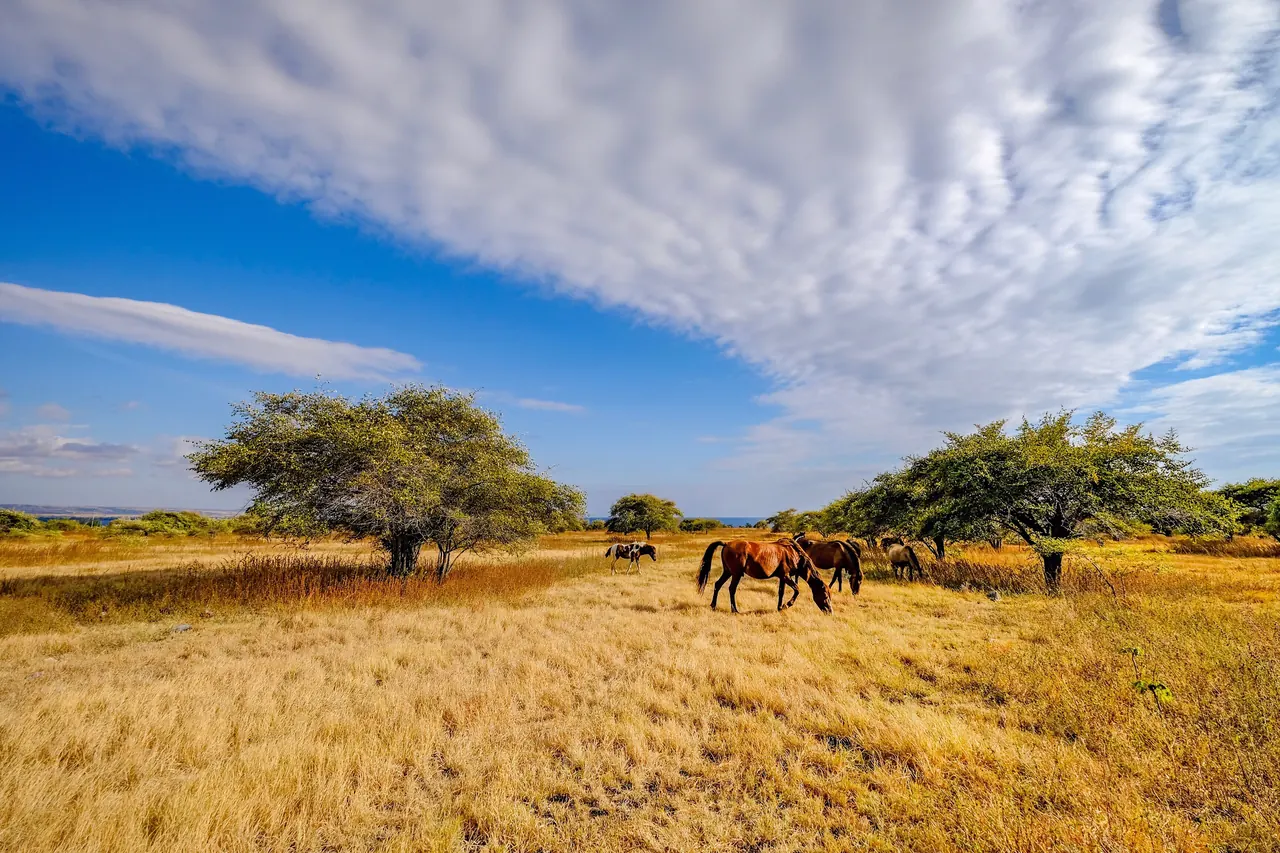
Visitors: November should be mostly dry, with easy roads and golden savanna, but some seasonal waterfalls may run low. Expect heat and dust; carry water.
Residents: BMKG asks people to use water sparingly, stay alert to drought and grass fires, and prepare for dengue, floods and landslides once the rains start and peak. Check your tank, well and drainage now, and use mosquito protection from December.
Investors and builders: outdoor work and road travel may stay easier into December, but water for building sites and farms may be tight. Plan for heavier rain in January and February 2027.
Planning a trip around the weather? Our month-by-month guide to the best time to visit Sumba explains how the seasons usually run.
If you are travelling to Sumba in November 2026, expect mostly dry weather, heat and dust, easy roads and golden savanna, but some seasonal waterfalls may carry little water. Carry drinking water. From December, as the rains begin, use mosquito protection because BMKG warns of dengue, and expect heavier rain in January and February 2027.
Frequently asked questions
When does the rainy season start in Sumba in 2026?
BMKG expects the wet season to start in December 2026 in most of East Nusa Tenggara, the province that includes Sumba, and in November only in a small part of it. It did not publish separate dates for Sumba's regencies.
Is November 2026 a dry month in Sumba?
BMKG's NTT climatology station forecast 51 to 100 mm of rain across the province in November, below normal, so November should stay drier than usual.
When will the rains be heaviest?
BMKG forecasts the peak of the rainy season for January 2027 in parts of NTT and February 2027 in most of the province.
- BMKG: El Niño Sangat Kuat sedang Terjadi, Musim Hujan 2026/2027 Diprediksi Datang Lebih Lambat (22 Sep 2026)
- Dinas Pertanian dan Ketahanan Pangan Provinsi NTT: BMKG Prediksi Curah Hujan NTT Meningkat Bertahap hingga Desember 2026 (23 Sep 2026)
- detikNews: Prakiraan Awal dan Puncak Musim Hujan 2026/2027 di Indonesia (23 Sep 2026)
- SERGAP: Sambut Musim Hujan, Babinsa Tabundung Ajak Petani Siapkan Lahan Tanam Padi (6 Nov 2026)
Spotted an error? Write to info@ecobeachcity.com.
Low Tide, every Sunday
One short letter a week about living well, from an island with more horses than traffic lights. Free.
We only use your email to send the letter. Unsubscribe in one click.